An old mattress can leave you tossing and turning even when it once felt perfectly comfortable. Before replacing it, a few simple changes can sometimes make your bed feel softer, firmer, cooler, or more supportive.
The right fix depends on what bothers you about the mattress. A sagging surface needs a different approach than a bed that feels too firm or traps too much heat.
1. Add a Mattress Topper
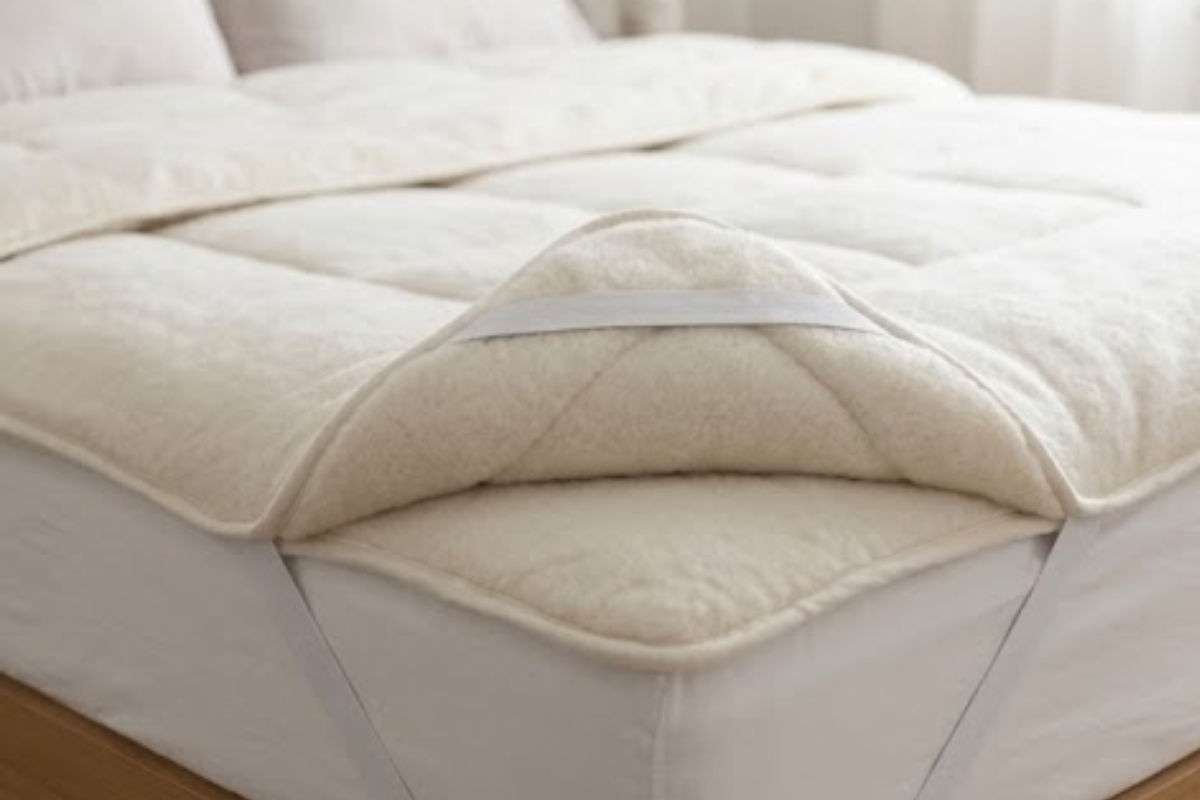
A mattress topper can change the feel of an older bed without replacing the entire mattress. Memory foam, latex, wool, and fiber-filled toppers each create a different sleeping experience.
If the mattress feels too firm, a thicker foam topper can add cushioning around the shoulders and hips. If you want a little more support without adding much softness, a thinner latex topper may work better.
Look for a topper that matches your sleeping position. Side sleepers often prefer more cushioning, while stomach and back sleepers may prefer a firmer surface.
2. Rotate the Mattress
If your mattress design allows rotation, turning it 180 degrees can help you sleep on a less-used section. Years of sleeping in the same spot can create uneven wear, particularly around the areas where your hips and shoulders rest.
Check the manufacturer’s instructions before rotating it. Some newer mattresses have specific top and bottom orientations and should not be flipped.
3. Check the Bed Frame and Slats
Sometimes the mattress gets blamed for discomfort caused by the support underneath it. Loose, damaged, or widely spaced slats can affect how the mattress feels and may allow parts of it to sink more than they should.
Take a few minutes to inspect the frame, center support, and slats. Tighten loose hardware and replace damaged pieces. If the mattress feels different after sitting on the floor compared with the bed frame, the support system deserves a closer look.
4. Try a Different Pillow
Your mattress and pillow work together. A pillow that’s too high or too low can leave your neck in an awkward position, making an otherwise comfortable mattress feel uncomfortable.
Your sleeping position can help determine the right pillow height. Side sleepers generally need more height to fill the space between the head and mattress, while stomach sleepers often need a thinner pillow.
For a useful overview of how sleep position affects comfort, see this sleep position guide.
5. Use Breathable Bedding
If your old mattress feels hot at night, changing the bedding may make a noticeable difference. Heavy comforters, dense mattress pads, and synthetic sheets can hold onto heat.
Try lightweight cotton or linen sheets and a breathable blanket. A mattress protector with a less padded construction can also reduce the feeling of sleeping under an extra layer.
6. Add a Mattress Pad for Minor Firmness Changes
A mattress pad won’t completely transform a worn-out mattress, but it can smooth out small imperfections and add a modest amount of cushioning.
For a bed that’s just slightly too firm, a quilted or padded mattress protector may provide enough extra softness. If the surface already feels too soft, skip the thick pad and consider a firmer topper instead.
7. Adjust Your Sleeping Position
A small change in how you sleep can sometimes reduce pressure on uncomfortable areas. Side sleepers can place a pillow between their knees, while back sleepers may feel better with a pillow underneath their knees.
These adjustments change how your body distributes weight across the mattress. The Sleep Foundation’s guide to sleeping positions provides more ideas for setting up your bed around your preferred position.

8. Give the Mattress a Thorough Cleaning
Dust, sweat, skin cells, and other debris can accumulate in bedding and mattresses over time. Strip the bed, wash the sheets and protector, and vacuum the mattress surface using an appropriate attachment.
If the mattress has developed a persistent odor or visible signs of mold, mildew, or major deterioration, cleaning alone may not solve the problem.
9. Know When a Topper Won’t Fix It
A topper can change the feel of a mattress, but it can’t repair serious structural wear. Deep sagging, broken springs, exposed materials, persistent lumps, or severe deterioration can make comfort difficult to restore.
If you’ve tried changing the topper, bedding, pillow, and bed support and still wake up uncomfortable, replacing the mattress may make more sense than continuing to modify it.
An older mattress doesn’t always need to go straight to the curb. A better topper, properly adjusted bed support, breathable bedding, or a different pillow can sometimes make an aging mattress much more comfortable for a while.