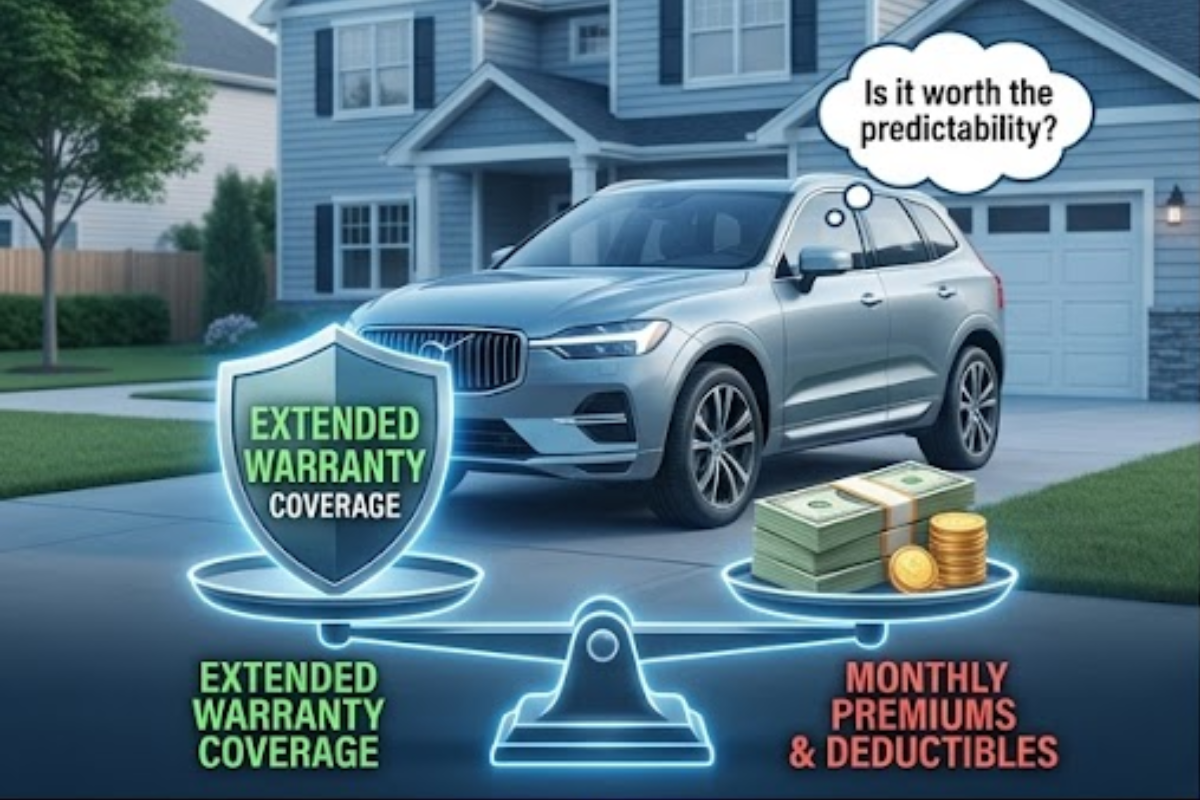
Buying a car is one of the biggest purchases many people make, and it’s understandable to want protection against unexpected repair bills. This is where an extended car warranty comes in. Offered by manufacturers, dealerships, and third-party providers, these plans promise to cover certain repairs after the original factory warranty expires. But is an extended car warranty actually worth paying for?
The answer depends on several factors, including the vehicle you own, how long you plan to keep it, your driving habits, and your ability to cover unexpected repair costs. Understanding how these warranties work can help you make a more informed decision.
What is an extended car warranty?
Despite the name, many extended warranties are technically vehicle service contracts rather than traditional warranties. They begin after the manufacturer’s original warranty ends and may cover the cost of repairing or replacing specific mechanical and electrical components.
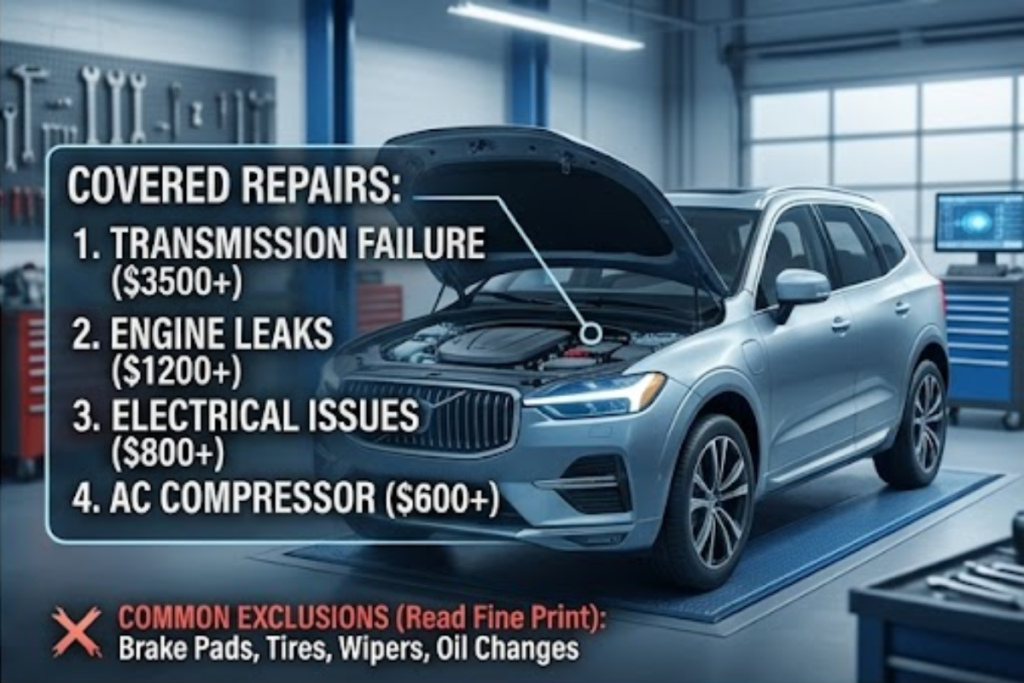
Coverage varies widely between plans. Some provide comprehensive protection for major systems such as the engine, transmission, steering, suspension, air conditioning, and electrical components. Others only cover a limited number of high-value parts.
Most plans also include exclusions, meaning routine maintenance items such as oil changes, tyres, brake pads, wiper blades, batteries, and cosmetic damage are typically not covered.
When an extended warranty may be worth considering
An extended warranty can make sense in certain situations.
You plan to keep your car for many years
If you expect to drive your vehicle well beyond the factory warranty period, there’s a greater chance that expensive components may eventually require repairs. A service contract can provide added financial predictability during long-term ownership.
Your vehicle has expensive repair costs
Some luxury vehicles and models with advanced technology can have higher labour and parts costs. Even a single repair involving electronics or drivetrain components can be costly, making warranty coverage more attractive for some owners.
You prefer predictable expenses
Many drivers value knowing that covered repairs will require only a deductible—or sometimes no out-of-pocket cost at all. Rather than worrying about an unexpected repair bill, they prefer fixed monthly or annual payments.
You drive high annual mileage
Vehicles driven frequently accumulate wear more quickly. If your driving exceeds average annual mileage, you may reach the period where repairs become more common sooner than expected.
When it may not be worth the cost
An extended warranty isn’t always the best financial choice.
Your vehicle has a strong reliability record
Many modern vehicles are built to last well beyond their original warranty period with routine maintenance. If independent reliability reports consistently rank your model highly, major repairs may be less likely.
You change vehicles regularly
If you typically replace your car every three to five years, you may sell or trade it before the extended coverage provides much value.
You have an emergency repair fund
Some owners prefer setting aside money each month instead of purchasing a warranty. If major repairs never occur, that savings remains yours rather than paying for coverage you never use.
The coverage has many exclusions
Not all plans offer the same protection. Some exclude common failure points or impose limits on labour rates, repair locations, or reimbursement amounts. Reading the contract carefully is essential before making a decision.
Questions to ask before buying
Before purchasing any extended warranty, consider asking:
- Exactly which components are covered?
- What repairs are specifically excluded?
- Is there a deductible for each repair visit?
- Can repairs be completed at any licensed repair shop?
- Is roadside assistance included?
- Is the warranty transferable if the vehicle is sold?
- Are there mileage or age restrictions?
- Can the policy be cancelled for a partial refund?
Clear answers to these questions can help avoid misunderstandings later.
Compare the total cost
It’s also worth comparing the price of the warranty with the vehicle’s expected repair history.
For example, paying several thousand pounds for coverage may not provide good value if your vehicle is known for low repair costs. On the other hand, if the plan covers components with historically expensive failures, the coverage may offer worthwhile peace of mind.
Remember that even comprehensive plans rarely cover every possible repair, so it’s important to understand the financial protection you’re actually receiving.
Manufacturer vs third-party warranties
Manufacturer-backed plans often allow repairs at authorised dealerships using approved parts and technicians. Third-party providers may offer greater flexibility or lower prices but can differ significantly in claim processes, repair networks, and coverage limits.
Comparing multiple providers, reading customer reviews, and understanding the contract terms can help you identify plans that match your needs.
The bottom line
An extended car warranty isn’t automatically a good or bad investment—it depends on your circumstances. Drivers who intend to keep their vehicles for many years, own models with potentially expensive repair costs, or prefer predictable ownership expenses may find value in the added protection.
However, owners of highly reliable vehicles, those who replace cars frequently, or those with sufficient emergency savings may decide that self-funding future repairs is the better option.
Before signing any agreement, compare coverage details, exclusions, deductibles, claim procedures, and the total cost of ownership. Taking the time to evaluate these factors can help you determine whether an extended car warranty provides meaningful value for your particular vehicle and driving habits.

One thought on “Is extended car warranty worth paying for?”