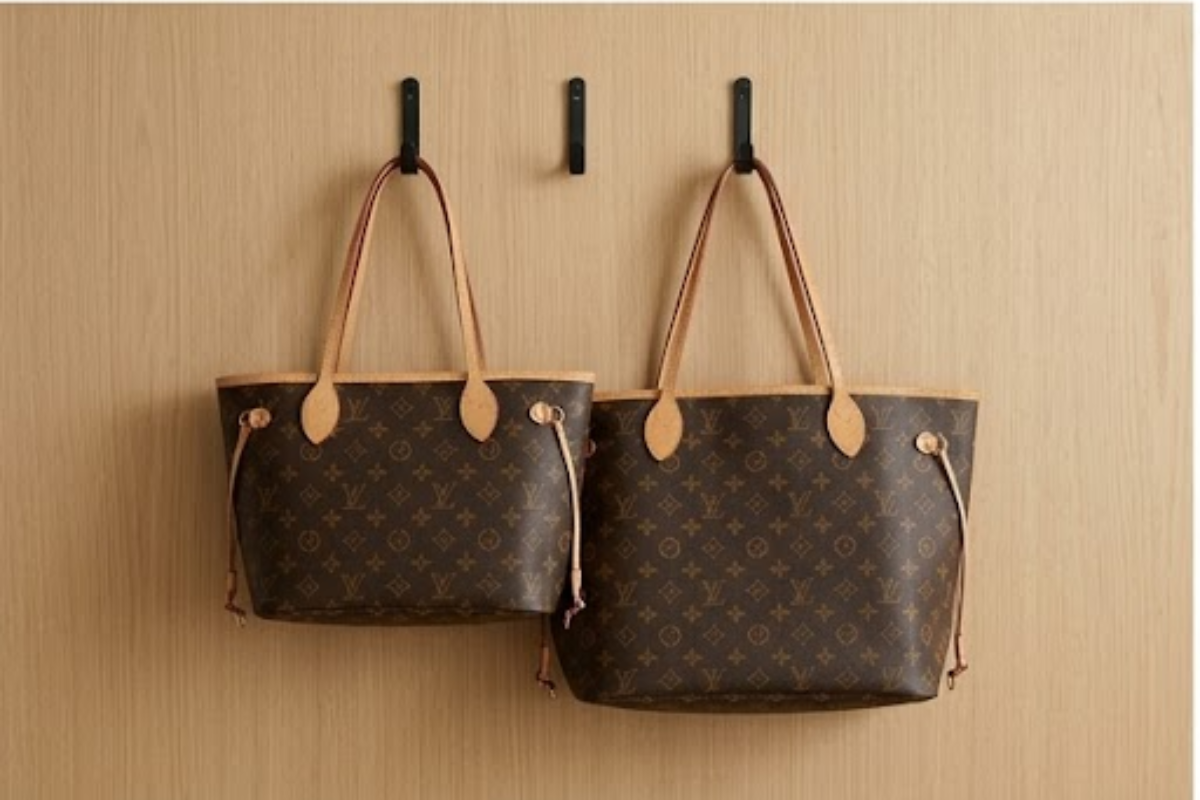
Designer handbags resale value varies widely, even though some luxury bags retain a surprising share of their original price. That doesn’t mean every expensive handbag becomes a smart resale purchase. Brand, model, condition, color, materials and even the original packaging can affect what buyers will pay later.
If you’re thinking about buying a handbag that you might resell one day, these are the details worth knowing.
Designer handbags resale value starts with demand
A $5,000 handbag from a lesser-known designer doesn’t automatically have better resale potential than a $2,500 bag from a highly sought-after luxury house.
Names such as Hermès, Chanel and Louis Vuitton tend to have strong recognition in the resale market. Certain models attract buyers year after year, which can make them easier to resell.
The important distinction: brand prestige alone isn’t enough. A discontinued, unusual or unpopular model can still struggle to find a buyer.
2. Certain handbag models have a loyal following
Not every bag from a major fashion house performs equally well.
Classic models with recognizable designs tend to attract more attention on the secondhand market. Think of handbags that buyers can identify immediately and that have remained popular for years.
The Hermès Birkin and Kelly, Chanel Classic Flap and Louis Vuitton Speedy are examples of models with strong resale demand. Their popularity creates a larger pool of potential buyers.
A trendy bag might attract plenty of attention when it launches, but demand can fall once the trend passes.
3. Condition can make a huge difference
Two identical handbags can sell for very different amounts depending on their condition.
Scratches, stains, worn corners, damaged handles, odors and peeling interiors can all reduce resale appeal. A bag kept carefully and used occasionally usually has a better chance of commanding a higher price.
For that reason, storing the bag properly matters. Keep it away from excessive humidity and direct sunlight, and use the original dust bag when possible. Stuffing the interior lightly can also help the handbag retain its shape.
4. The original extras can help
Dust bags, boxes, receipts, authenticity cards, straps and other original accessories may seem unimportant once the handbag comes home, but they can matter when it’s time to sell.
Buyers often prefer a complete package, particularly when comparing two similar pre-owned bags.
That doesn’t mean a missing box makes a designer handbag worthless. The bag itself carries most of the value, but original accessories can make a listing more appealing and sometimes support a better selling price.
5. Classic colors usually have broader demand
Black, neutral brown, beige and other versatile shades tend to have a larger audience than highly unusual colors.
That’s partly because buyers can imagine using a neutral handbag with more outfits and for more occasions. Neutral accessories also pair naturally with expensive looking outfits.
Limited-edition colors can behave differently. A rare shade from a desirable collection might attract collectors and command a premium, but predicting which unusual colors will remain desirable years later can be difficult.
6. Buying at retail doesn’t guarantee a profit
This might be the biggest misconception about luxury handbags.
A handbag purchased for $4,000 doesn’t automatically become a $4,000 resale item. The secondhand market determines the eventual selling price, not the amount originally paid.
Resale platforms may also charge commissions or fees. Shipping, authentication and cleaning can add to the cost of selling. A handbag that appears to hold 90% of its original value on paper may leave the owner with less after those expenses.
7. Limited availability can affect demand
Scarcity can make certain handbags attractive to collectors, especially when a particular model, material or color becomes difficult to find.
But “limited” doesn’t always mean “valuable.”
A bag that nobody wants won’t suddenly become desirable simply because fewer examples exist. Scarcity works best when it meets existing demand.
8. The best value-retaining bags aren’t always the flashiest
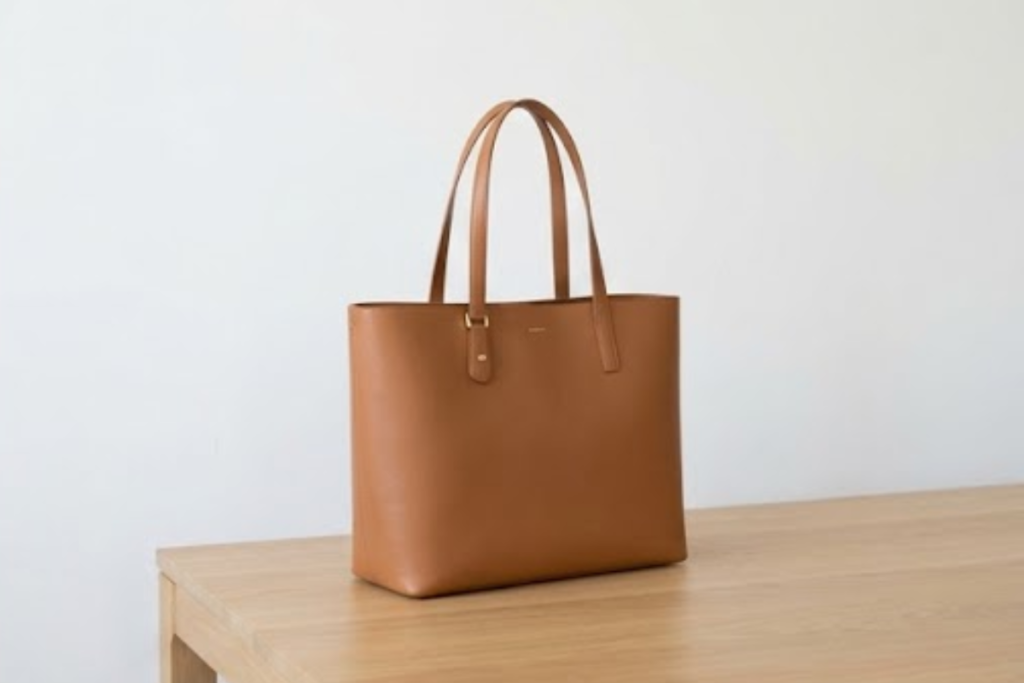
A logo-covered seasonal handbag may grab attention immediately, while a simple classic design quietly retains demand for years.
For buyers thinking about resale, longevity often matters more than novelty. Timeless bags can complement the versatile clothing ideas in our guide to fashion over 50. A recognizable silhouette in a practical color and durable material can have a much wider resale audience than a highly seasonal design.
The bottom line
Designer handbags can hold their value surprisingly well, but they shouldn’t be treated like guaranteed investments. The strongest candidates usually combine a respected brand, a sought-after model, good condition, practical styling, and steady secondhand demand. Avoiding fashion choices that can look dated may also favor more versatile designs.
If resale matters to you, research the specific model, not just the designer. Check recent secondhand listings, compare completed sales when possible and look at how prices change with condition and accessories.
The smartest purchase for designer handbags resale value might not be the most expensive one. It could simply be the bag that people still want years after the original purchase.

One thought on “The Truth About Designer Handbags That Hold Their Value”