Home selling mistakes can reduce your final proceeds by thousands of dollars, even when the process seems straightforward: list the property, find a buyer, negotiate the price, and close the deal.
Some mistakes affect the sale price directly. Others create delays, weaken your negotiating position, or leave you paying for expenses that could have been avoided. Before listing your home, watch out for these common problems.
Home selling mistakes: setting the asking price too high
It can be tempting to price your home based on how much you need from the sale or how much you spent on renovations. Buyers, however, tend to compare your property with similar homes currently available and recently sold.
An inflated asking price can lead to fewer showings and a listing that sits on the market. Over time, buyers may start wondering whether something remains wrong with the property.
A realistic price based on comparable homes, location, condition, and current buyer demand can create more interest from the start.
2. Skipping Basic Repairs
You don’t necessarily need to renovate the entire house before selling. But ignoring obvious problems can give buyers reasons to negotiate.
A dripping faucet, damaged flooring, cracked tiles, broken light fixtures, peeling paint, or a malfunctioning appliance can make the home appear poorly maintained.
Walk through the property room by room and make a list of inexpensive repairs. Fixing smaller problems before listing can cost far less than accepting a lower offer later.
3. Spending Too Much on Renovations
The opposite mistake can also hurt your finances. Sellers sometimes spend heavily on upgrades that they may not recover when the property sells.
A major kitchen renovation, expensive landscaping project, or luxury bathroom makeover may look impressive, but buyers won’t necessarily pay the full cost of those improvements.
Before starting a project, consider whether it will improve the home’s appeal enough to justify the expense. Fresh paint, better lighting, decluttering, and minor repairs often make more financial sense than major remodeling. Compare your plans with these home improvements that may increase resale value.
4. Ignoring the First Impression
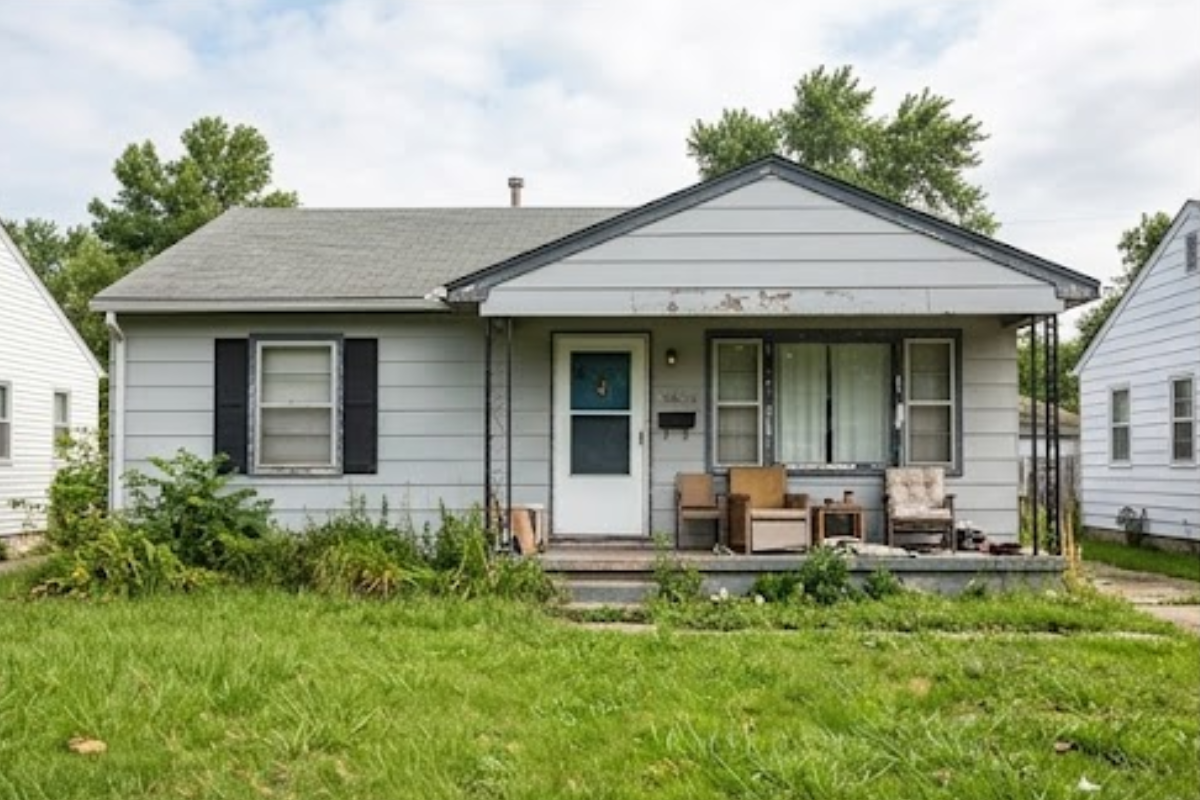
Buyers often form an opinion before they see the inside of a home. Overgrown landscaping, dirty windows, clutter near the entrance, or a worn front door can make the property less inviting.
You don’t need an expensive makeover. Clean the exterior, trim the yard, remove unnecessary items, wash the windows, and tidy the entrance. Simple improvements can make listing photos and in-person visits more appealing.
5. Using Poor Listing Photos
Many buyers begin their search online, which means photographs can determine whether they schedule a viewing.
Dark rooms, cluttered countertops, blurry images, and photographs taken from awkward angles can make a home look smaller or less attractive than it actually feels.
Take bright, clean photos that show each major room clearly. Open curtains and blinds, turn on lights, remove personal clutter, and make sure the home looks tidy before taking pictures.
6. Being Too Emotional During Negotiations
Selling a home can feel personal, particularly when you’ve lived there for years. But buyers aren’t negotiating with your memories or the effort you put into maintaining the property.
Rejecting reasonable offers because they feel too low, taking criticism personally, or refusing to negotiate on smaller items can cause a potentially good deal to disappear.
Focus on the total financial outcome rather than winning every individual point.
7. Forgetting About Selling Costs
The sale price isn’t the same as the amount you’ll take home. Depending on the transaction, sellers may face agent commissions, closing costs, taxes, repairs, staging expenses, moving costs, and other fees.
Calculate these expenses before deciding how much you need from the sale. A home that sells for more money isn’t necessarily the better deal if the associated costs also rise substantially. For a broader view of transaction expenses, review the home buying fees paid around closing and how property taxes affect ownership costs.
8. Choosing an Agent Based Only on Commission
A lower commission may look attractive, but the cheapest option doesn’t automatically produce the highest net proceeds.
Consider an agent’s marketing approach, communication style, experience with similar properties, pricing strategy, and negotiation skills. Compare the expected costs with the service you’ll receive rather than focusing on the commission percentage alone.
9. Making the Home Too Personal
Bold paint colors, unusual furniture arrangements, large collections, and highly personalized décor can make it harder for buyers to picture themselves living in the property.
You don’t have to make the house completely generic. Removing excessive personal items and simplifying crowded rooms can give buyers more room to imagine their own furniture and belongings there.
10. Waiting Too Long to Prepare
Preparation shouldn’t begin when the listing goes live. Cleaning, repairs, paperwork, photography, pricing research, and deciding what to remove from the home can take time.
Starting early gives you more flexibility. You can address problems without rushing, gather the necessary documents, and enter negotiations with a clearer idea of your expected costs and minimum acceptable outcome.
A successful home sale doesn’t always come down to getting the highest possible offer. The final amount you keep depends on the asking price, preparation, negotiations, fees, repairs, and many smaller decisions made along the way. Avoiding common home selling mistakes can help protect more of your money when the sale closes.
One thought on “The Home Selling Mistakes That Can Cost You Thousands”