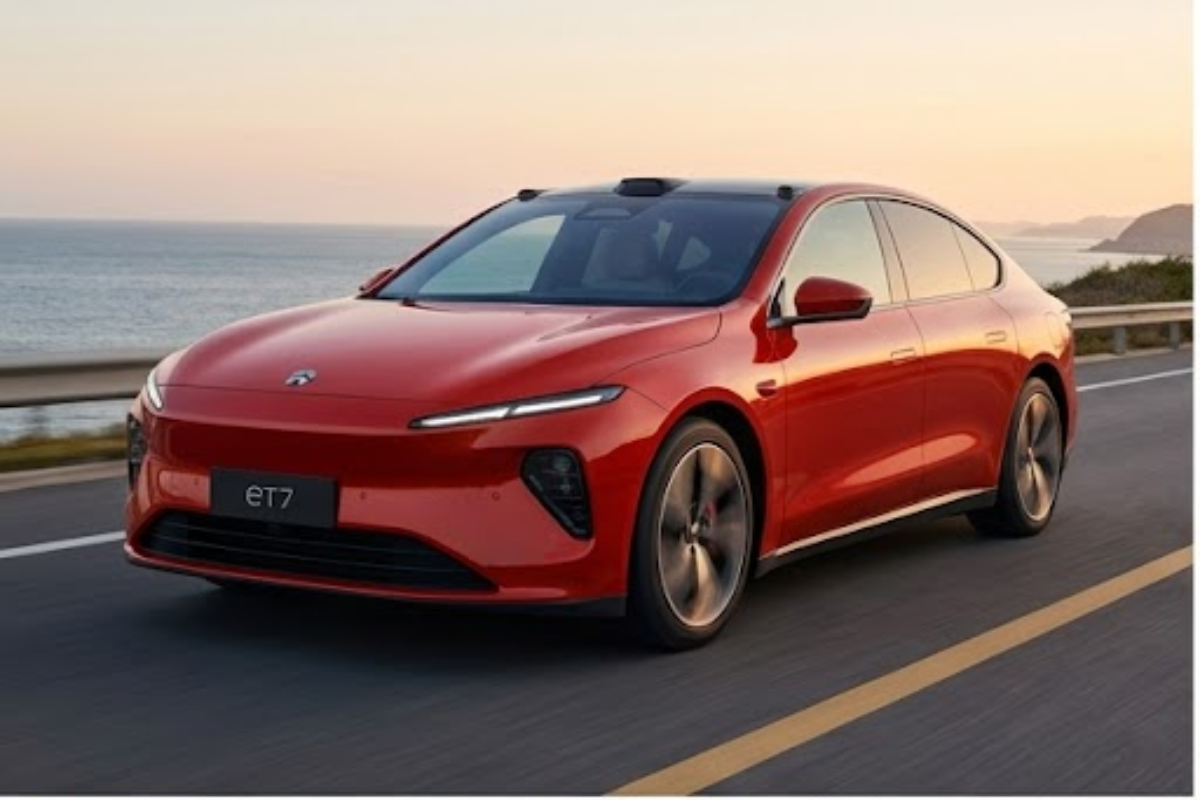
Chinese car manufacturers have moved from being relatively unknown in many global markets to becoming serious competitors. Brands such as BYD, Geely, Chery, MG (under SAIC), GWM, and NIO are now expanding into Europe, Australia, Southeast Asia, Latin America, and other regions with a growing range of petrol, hybrid, and electric vehicles.
While established automotive brands from Japan, Germany, South Korea, and the United States continue to hold strong reputations, Chinese manufacturers have introduced a different approach to vehicle design, technology, and manufacturing. Understanding these differences can help buyers evaluate their options more effectively.
A stronger focus on electric vehicles
One of the biggest differences is the emphasis on electric mobility. Many Chinese manufacturers invested heavily in battery technology and electric vehicle (EV) development long before demand accelerated in international markets.
As a result, several Chinese brands offer extensive EV lineups alongside plug-in hybrid models. Some companies also manufacture their own batteries, allowing them to control more of the production process and rapidly introduce new technology.
Traditional automakers often developed their EV portfolios later, although many are now investing heavily to expand their electric offerings.
Technology as a key selling point
Chinese vehicles frequently place technology at the centre of the driving experience. Large infotainment displays, digital instrument clusters, voice controls, smartphone integration, over-the-air software updates, and advanced driver assistance features are commonly included, even on mid-range models.
Rather than offering these features only on premium trims, many manufacturers make them standard across more of the lineup. This can appeal to buyers looking for modern connectivity without selecting the highest specification.
Traditional brands also offer advanced technology, but certain features may only be available as optional extras or on more expensive models.
Faster product development
Chinese automakers are often recognised for their ability to develop and launch new vehicles quickly. Shorter development cycles allow manufacturers to update styling, software, battery systems, and cabin technology more frequently.
This faster pace can result in models that adopt the latest design trends and digital features sooner than some long-established competitors.
However, traditional manufacturers often spend longer refining vehicle platforms that may remain in production for many years, focusing on long-term durability, consistency, and extensive real-world testing.
Competitive equipment levels
Many Chinese vehicles include features that were once associated with luxury models. Depending on the model, buyers may find panoramic sunroofs, heated and ventilated seats, premium audio systems, 360-degree cameras, adaptive cruise control, and advanced parking assistance included in the purchase price.
Offering generous standard equipment has become a common strategy for attracting buyers in highly competitive markets.
Traditional brands may provide similar features but often reserve them for higher trim levels or optional equipment packages.
Modern manufacturing methods
China has invested significantly in automotive manufacturing over the past two decades. Many factories now use advanced robotics, automated quality control, and highly integrated production systems.
Several manufacturers also control large portions of their supply chains, including battery production, electric motors, and electronic components. This vertical integration can improve production efficiency and reduce dependence on external suppliers.
Traditional manufacturers also operate highly advanced production facilities, although their global supply chains may involve a broader network of independent suppliers.
Design has become increasingly global
Earlier Chinese vehicles were sometimes criticised for limited originality in design. Today, many manufacturers employ experienced automotive designers and engineers from Europe, Japan, and other established automotive regions.
The result is a wider variety of vehicles that are designed to meet the preferences of international customers while complying with local safety and regulatory requirements.
Many Chinese manufacturers now operate research, design, and engineering centres outside China to better understand regional markets.
Safety standards continue to improve
Safety has become a major area of investment. Many recent Chinese models have achieved strong results in independent crash testing programmes where available, and manufacturers increasingly equip vehicles with advanced safety technologies such as automatic emergency braking, lane-keeping assistance, blind-spot monitoring, and multiple airbags.
As with any vehicle purchase, buyers should review the safety ratings and equipment for the specific model available in their market rather than assuming all vehicles offer the same level of protection.
What buyers should consider
Every vehicle purchase involves balancing several factors, including reliability, servicing, warranty coverage, resale value, available technology, driving experience, and long-term ownership costs.
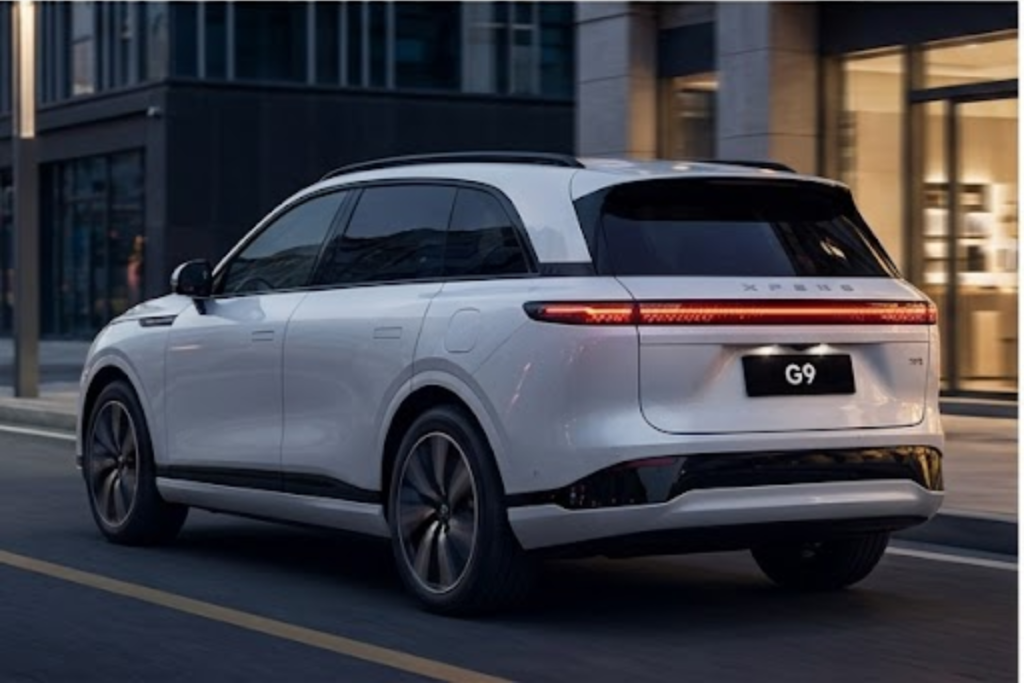
Chinese brands often stand out through modern technology, competitive equipment levels, and rapid innovation. Traditional manufacturers, meanwhile, continue to benefit from decades of brand recognition, extensive dealer networks, and established reputations for long-term ownership.
The right choice ultimately depends on individual priorities, local market availability, after-sales support, and the features that matter most to each buyer.