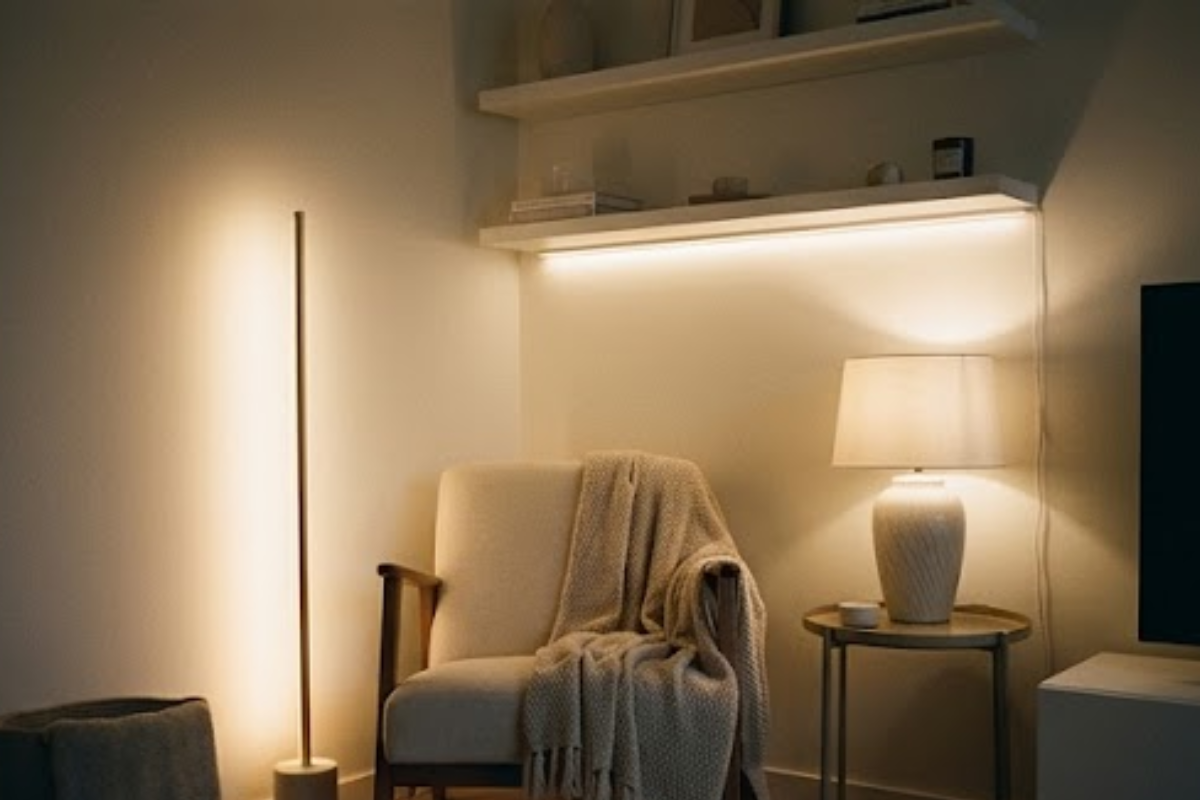
To brighten a dark room without adding windows, combine lighter paint, layered lighting, reflective surfaces, and a more open furniture layout. These practical changes help existing light travel farther and make the space feel larger.
Here are some simple ways to make a dark room feel brighter without changing its windows.
1. Brighten a Dark Room With Light, Warm Paint
Wall color can change how much light a room appears to have. White works well, but it does not have to be your only choice. Soft cream, pale beige, light greige, and muted pastel shades can create a brighter look without making the room feel cold.
Very dark paint absorbs more light, so it can make an already dim room appear even darker. If you prefer some color, consider using it on one wall while keeping the remaining walls lighter.
For rooms with little daylight, warm undertones often feel more comfortable than stark, cool whites.
2. Add a Large Mirror
A mirror can make a dark room feel more open while bouncing light around the space. Instead of placing a small decorative mirror on one wall, try a larger one where it can catch light from a lamp, doorway, or existing window.
A mirror opposite or slightly angled toward a light source can spread that light across nearby walls. Mirrored cabinet doors and reflective decorative pieces can provide a similar effect on a smaller scale.
3. Layer Lighting to Brighten a Dark Room
One ceiling fixture rarely provides enough light for an entire dark room. Instead, use several light sources at different heights.
A floor lamp can brighten a dark corner, while table lamps can add light around seating areas or workspaces. Wall sconces can illuminate walls without taking up floor or table space.
Try combining overhead lighting with lamps and accent lights. Having several smaller sources usually gives you more control than relying on one bright bulb. If you use connected bulbs, the same planning principles discussed in our guide to smart home security systems can help you build reliable routines.
4. Choose the Right Bulbs
Light bulb color can change the atmosphere of a room just as much as the fixture itself. For a living room or bedroom, warm white bulbs can create a comfortable feel while still providing plenty of usable light.
For kitchens, home offices, and other areas where you need to see details clearly, a cooler white light may work better.
Check the bulb’s brightness and color temperature before buying. The U.S. Department of Energy lighting guide explains how efficient bulb choices can reduce electricity use and replacement costs. Replacing weak bulbs with brighter, suitable ones can sometimes make a room feel different without changing anything else.
5. Use Light-Colored Curtains and Rugs
Large surfaces have a big visual effect. Heavy, dark curtains can make a room feel enclosed, particularly when they cover a large portion of the wall.
Try lightweight curtains in white, cream, beige, or another pale shade. If privacy allows, choose a fabric that allows some existing daylight to pass through.
The same idea applies to flooring. A light-colored rug can break up a dark floor and add a brighter surface beneath furniture.
6. Keep Furniture Away From Light Sources
Furniture placement can affect how open a room feels. Bulky furniture positioned directly in front of a doorway or window can block whatever light the room receives.
Where possible, keep pathways clear and avoid filling corners with oversized pieces. Furniture with raised legs can also allow more of the floor to remain visible, giving the room a lighter appearance.
If the room contains several dark pieces, consider moving one or two into another space rather than replacing everything. For larger projects, prioritize upgrades using this guide to home improvements that may increase resale value.
7. Add Reflective Finishes
You do not need a room full of mirrors to reflect light. Glass coffee tables, glossy tile, metallic frames, polished surfaces, and ceramic accessories can all bounce small amounts of light around the room.
Use these finishes selectively. Too many reflective surfaces can make a room feel busy, while a few well-placed pieces can add brightness without changing the overall style.
8. Declutter Dark Corners
Clutter can make a dim room feel even more cramped. Look closely at corners, shelves, and areas behind furniture where objects tend to accumulate.
Removing unnecessary items gives light more visual space to travel. You can also replace groups of small decorations with one or two lighter-colored pieces.
Sometimes the easiest way to brighten a dark room costs nothing at all: simply give the light more room to move. While clearing storage areas, these tips for removing musty closet smells may also help.
9. Use a Light Ceiling
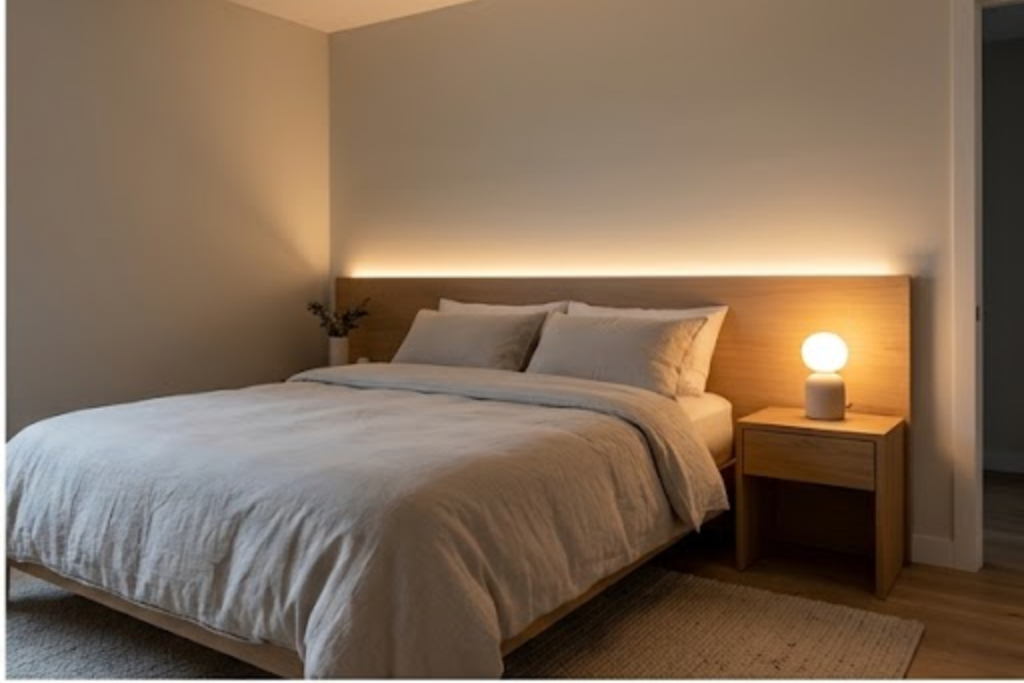
A ceiling painted white or another pale shade can help reflect light from lamps and overhead fixtures back into the room. This works particularly well when the walls have a little more color.
If repainting the entire room feels like too much work, focusing on the ceiling can still make the space feel cleaner and more open.
10. Clean Fixtures and Reflective Surfaces
Dust can build up on lampshades, bulbs, mirrors, and glossy surfaces, reducing the amount of light they appear to produce or reflect.
Give light fixtures a regular wipe and clean mirrors and glass surfaces as well. This small maintenance task can make existing lighting feel stronger without buying anything new.
You can brighten a dark room without installing another window. Lighter surfaces, better bulb choices, mirrors, layered lighting, and a less crowded layout can work together to change the way the space looks and feels. Start with the easiest adjustment, then add changes gradually until the room feels comfortable and well lit.


One thought on “How to Make Dark Rooms Feel Brighter Without Adding Windows”