Yellow toilet stains have a way of making an otherwise clean bathroom look neglected. You can scrub for several minutes, flush, and still notice a stubborn ring or patches that refuse to disappear. Before reaching for the strongest cleaner on the shelf, it helps to understand what those stains actually are. Different causes call for different cleaning methods, and using the wrong product often leads to wasted effort.
Why yellow toilet stains appear
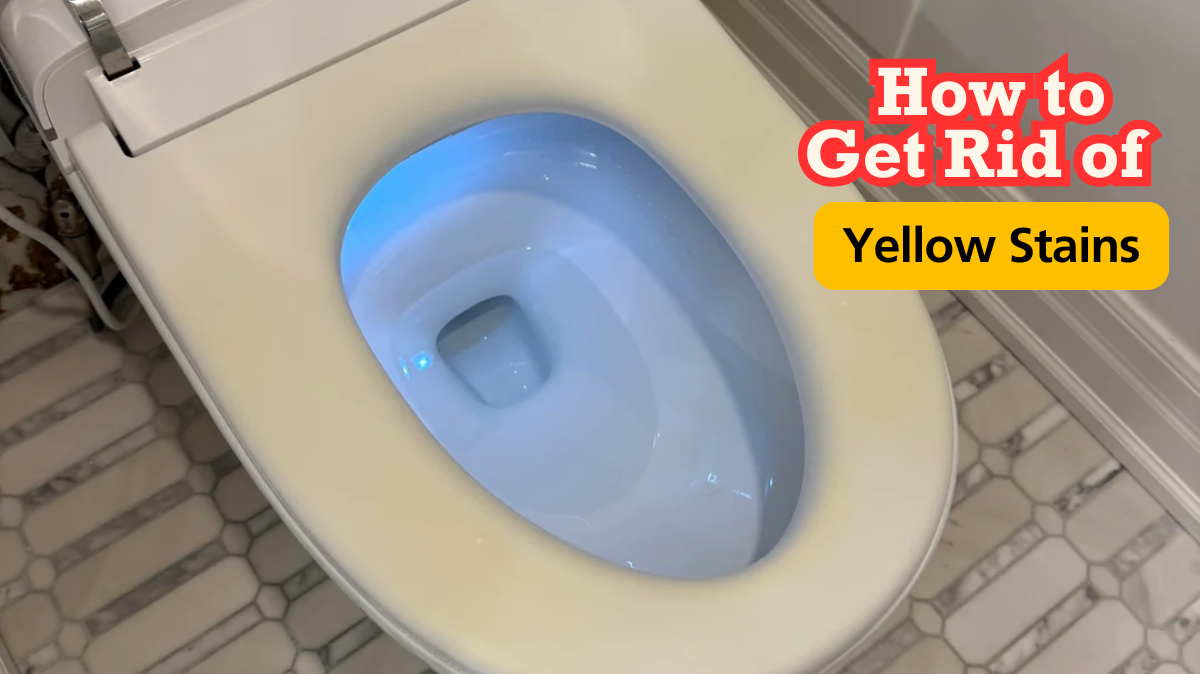
Not every yellow stain comes from the same source. In many homes, hard water leaves behind mineral deposits that slowly build up over time. Calcium, magnesium, and iron can cling to the porcelain, creating yellow or brown discoloration that becomes more noticeable the longer it sits.
Urine stains also contribute, especially around the waterline or beneath the rim. When small amounts remain after flushing, minerals combine with bacteria and gradually leave behind yellow marks.
In humid bathrooms, mold or mildew sometimes plays a part as well. Although mold often appears black or green, certain types can produce yellow or orange discoloration on damp surfaces.
Knowing the cause makes choosing the right cleaner much easier.
Why ordinary toilet cleaner sometimes fails
Many general-purpose toilet cleaners work well for everyday maintenance but struggle against thick mineral deposits. They remove fresh dirt and bacteria, yet hardened limescale acts like a shield over the stain underneath.
Scrubbing harder rarely solves the problem. In fact, aggressive scrubbing with abrasive pads can scratch porcelain, giving future stains more places to cling.
The goal isn’t more force. It’s using a cleaner that matches the stain.
Vinegar works better than many people expect
White vinegar remains one of the simplest ways to loosen mineral buildup.
Pour a generous amount into the toilet bowl, making sure it reaches stained areas. Let it sit for at least one hour, although several hours or overnight often produces better results for older stains.
After soaking, scrub with a toilet brush before flushing.
The mild acid in vinegar slowly breaks down mineral deposits without damaging porcelain.
Baking soda helps with stubborn spots
For stains that survive a vinegar soak, baking soda adds gentle abrasion without scratching the surface.
Sprinkle baking soda over damp stains, then pour vinegar on top. The fizzing reaction won’t magically remove stains, but it helps loosen debris while making scrubbing easier.
Allow the mixture to sit for fifteen to thirty minutes before brushing the bowl.
Pumice stones remove heavy mineral buildup
When thick hard water deposits refuse to budge, a pumice stone often succeeds where brushes cannot.
The stone should remain wet during use, and the toilet surface should also stay wet. Gently rub the stained area with light pressure until deposits begin to disappear.
Used correctly, a pumice stone removes mineral buildup without damaging porcelain. Using it on dry surfaces, however, can leave scratches.
Commercial limescale removers can save time
Some stains have been building for months or even years. In those cases, cleaners designed specifically for calcium, lime, and rust deposits usually work faster than household remedies.
Always follow the instructions on the label, wear gloves if recommended, and avoid mixing different cleaning chemicals together. Combining products like bleach and acidic cleaners can create dangerous fumes.
More cleaner doesn’t necessarily mean better results. Giving the product enough contact time often matters more.
Don’t forget the area beneath the rim
Many yellow stains begin where people rarely look.
Lift the edge of the toilet brush under the rim and scrub thoroughly. Mineral deposits and bacteria collect inside the small water holes that release water during each flush.
An old toothbrush or a narrow cleaning brush can help reach these hidden spots.
Cleaning beneath the rim regularly reduces future staining.
Preventing stains takes less effort than removing them
Once stains disappear, keeping them away becomes much easier.
A few simple habits help:
- Brush the toilet once or twice each week.
- Flush regularly, even in guest bathrooms that see little use.
- Fix slow leaks that allow minerals to build continuously.
- Remove hard water deposits before they become thick.
- Consider a water softener if hard water affects multiple fixtures throughout the home.
Small amounts of regular cleaning usually prevent the long scrubbing sessions that older stains require.
What you should avoid
Some cleaning methods create more problems than they solve.
Steel wool and metal brushes can scratch porcelain permanently. Once the surface becomes rough, stains return more quickly.
Avoid mixing bleach with vinegar, ammonia, or acidic toilet cleaners. The chemical reaction can release harmful gases.
Finally, don’t assume every stain needs stronger chemicals. Many yellow stains disappear after enough soaking time with the right cleaner.
The bottom line
Yellow toilet stains often come down to mineral deposits, urine buildup, or a combination of both. Once you identify the cause, removing them becomes much more straightforward. Vinegar handles many light stains, baking soda provides gentle scrubbing power, and a pumice stone tackles stubborn hard water deposits that resist ordinary cleaners. For severe buildup, a dedicated limescale remover can make the job easier.
A consistent cleaning routine keeps stains from settling in and saves time later. Instead of fighting thick deposits every few months, a quick weekly clean usually keeps the porcelain looking fresh with far less effort.