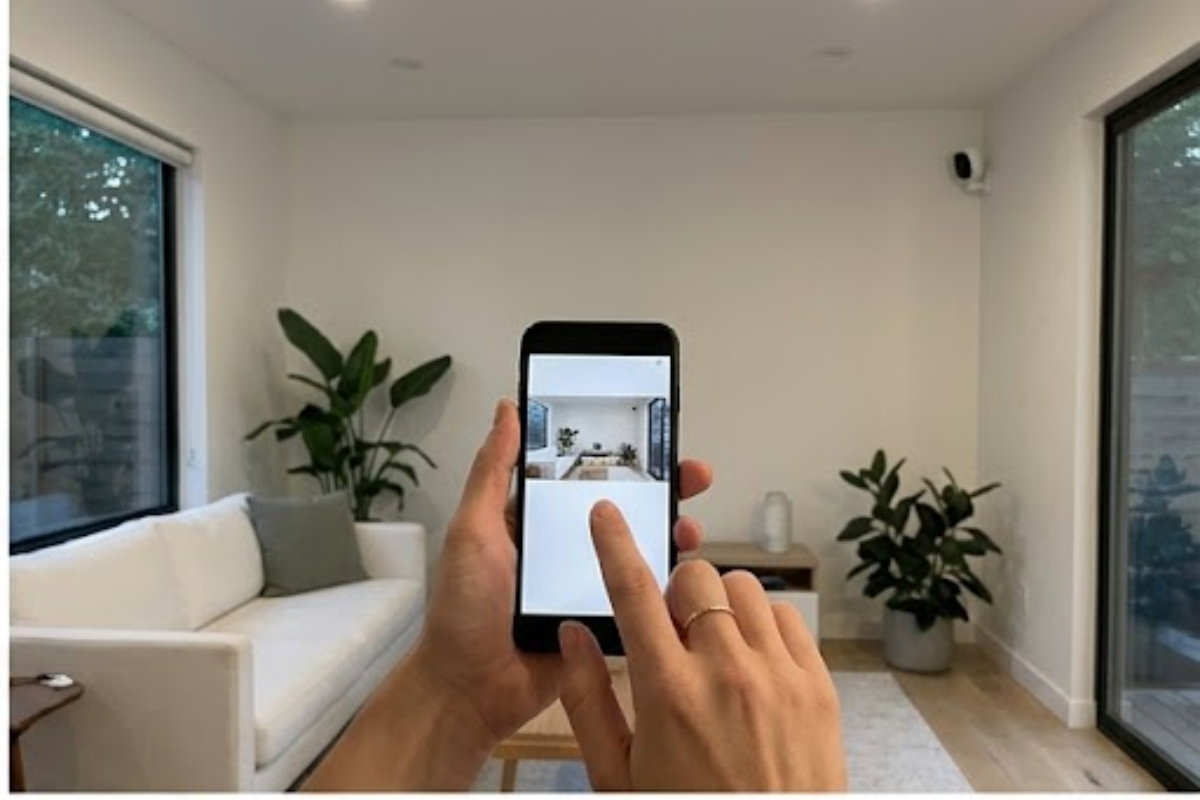
Smart home security systems combine connected cameras, sensors, doorbells, locks, alarms, and mobile alerts to help homeowners monitor activity and manage access remotely.
For many households, these features have moved beyond convenience. They offer better awareness of what happens around the property, whether someone is at home, at work, or traveling. With more connected devices available than ever, smart home security systems deserve a closer look in 2026.
1. Smart Security Provides Earlier Alerts
Traditional alarm systems often reacted after a door or window had already been opened. Modern systems provide much earlier warnings.
Outdoor cameras can detect movement near entrances, while video doorbells notify homeowners when someone approaches the front door. Some devices even distinguish between people, vehicles, pets, and packages, reducing unnecessary alerts throughout the day.
That extra awareness gives homeowners more time to decide whether action is needed or whether the notification simply came from a delivery driver or a neighbor walking past.
2. Remote Access Simplifies Daily Routines
One of the biggest reasons many homeowners upgrade to smart security comes down to convenience.
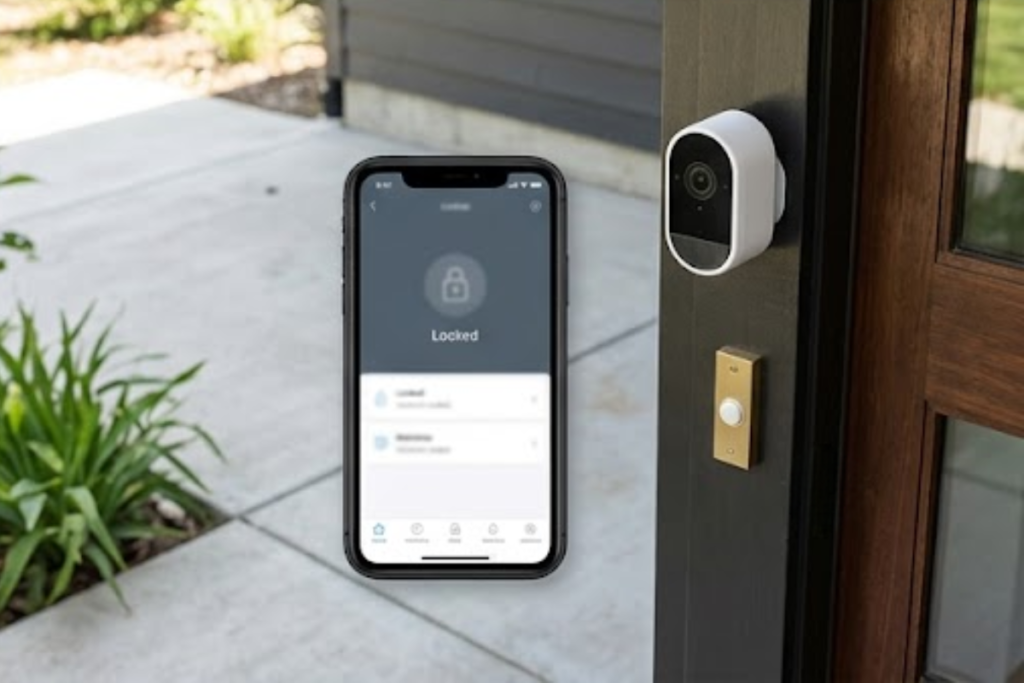
Instead of wondering whether the garage door was left open or if the front door was locked, users can check their phone in seconds. If needed, they can lock doors remotely, close compatible garage doors, or view live camera feeds from almost anywhere with an internet connection. Reliable connectivity matters, so review why Wi-Fi slows down before placing wireless cameras.
Parents often appreciate this flexibility when children arrive home from school, while frequent travelers gain peace of mind without asking neighbors to check on the house every day. Frequent camera alerts can affect mobile use, making these phone battery tips useful.
3. Smart Locks Replace Spare Keys
Hidden spare keys have never been an ideal solution.
Smart locks allow homeowners to create temporary access codes for guests, relatives, cleaners, or contractors. Once the visit ends, the code can expire automatically or be removed through the mobile app.
Some systems also record when each code was used, making it easier to know who entered the home and when.
4. Security Cameras Are More Practical
Early home security cameras often produced grainy images and frequent false alarms.
Today’s models typically include higher-resolution video, better night vision, two-way audio, and cloud or local recording options. Many can send alerts only when they recognize a person rather than every moving branch or passing car.
Indoor cameras can also help families keep an eye on pets or elderly relatives while away from home. Many users appreciate having a quick way to check in without making a phone call.
5. Automation Adds Another Layer
Smart home security works well with other connected devices around the house.
Lights can switch on automatically when motion appears outside after dark. Smart locks may trigger indoor lights when someone unlocks the front door. Some homeowners schedule lights to turn on during vacations, giving the appearance that someone remains home.
These small automations require little effort once configured, yet they can make daily routines simpler while adding another level of security.
6. DIY Installation Has Become Easier
Professional installation remains available, but many smart security systems now cater to homeowners who prefer a do-it-yourself setup.
Wireless sensors attach with adhesive strips, battery-powered cameras avoid complicated wiring, and guided mobile apps walk users through installation step by step.
Expanding the system later often proves straightforward, much like planning home improvements that may increase resale value. A homeowner might begin with a video doorbell and smart lock, then add window sensors, floodlight cameras, or indoor cameras as needs change.
7. Privacy and Cybersecurity Require Attention
Connected security devices collect data, so privacy deserves just as much attention as convenience.
Before purchasing a system, homeowners should review how recordings are stored, whether multifactor authentication is available, how long security updates are provided, and which privacy controls limit camera access. The NIST consumer IoT guidance outlines baseline cybersecurity capabilities for connected products.
Using strong passwords, enabling software updates, and placing indoor cameras thoughtfully all help reduce unnecessary privacy risks.
A well-configured system protects both the home and the information connected to it.
8. Costs Depend on Features and Monitoring
Smart security systems now cover a wide range of budgets.
Some homeowners purchase only a video doorbell and smart lock. Others build complete systems with multiple cameras, sensors, smoke detectors, and professional monitoring.
Monthly subscriptions may unlock cloud storage, advanced detection features, or emergency response services, although many devices continue to provide basic functions without ongoing fees.
Choosing only the features that match daily habits often makes more sense than buying the largest package available.
Are Smart Home Security Systems Worth It?
A smart home security system won’t prevent every problem, but it can make it easier to notice unusual activity, respond more quickly, and manage access to the home with less effort.
For households planning connected upgrades, smart home security systems deserve consideration alongside other improvements. Better cameras, easier installation, remote controls, and flexible automation have made these systems practical for many different types of homes. Rather than relying on a single alarm, homeowners can build a setup that fits their property, budget, and everyday routine.



3 thoughts on “Smart home security systems are worth considering in 2026”