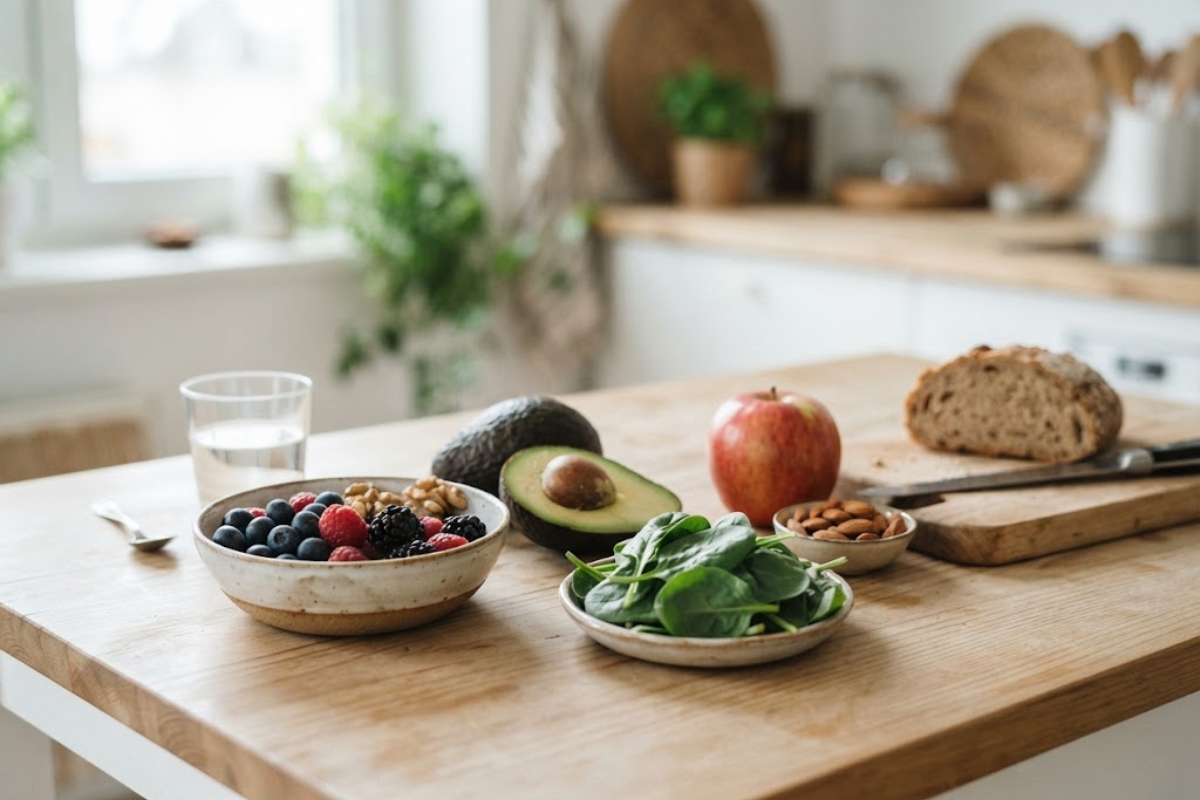
A heart-friendly diet does not have to mean complicated recipes or a refrigerator full of specialty foods. Many everyday ingredients can fit into meals that provide fiber, unsaturated fats, vitamins, minerals, and other nutrients linked with cardiovascular health. The easiest approach often involves adding more whole foods while cutting back on heavily processed choices.
Here are several simple foods worth working into regular meals.
1. Oatmeal
A warm bowl of oatmeal makes an easy breakfast and provides soluble fiber, including beta-glucan. Soluble fiber can help reduce the amount of cholesterol absorbed into the bloodstream.
Plain oats also leave plenty of room for nutritious toppings. Try adding berries, sliced banana, walnuts, chia seeds, or a small spoonful of natural peanut butter. Choose plain oats more often than flavored varieties, which can contain substantial added sugar.
2. Beans
Black beans, kidney beans, chickpeas, lentils, and other legumes provide fiber and plant-based protein. They can work in everything from soups and chili to salads, wraps, and grain bowls.
Canned beans can save time. Rinsing them under running water can remove some of the added sodium found in canned varieties. For more information about legumes and their nutritional characteristics, see legume.
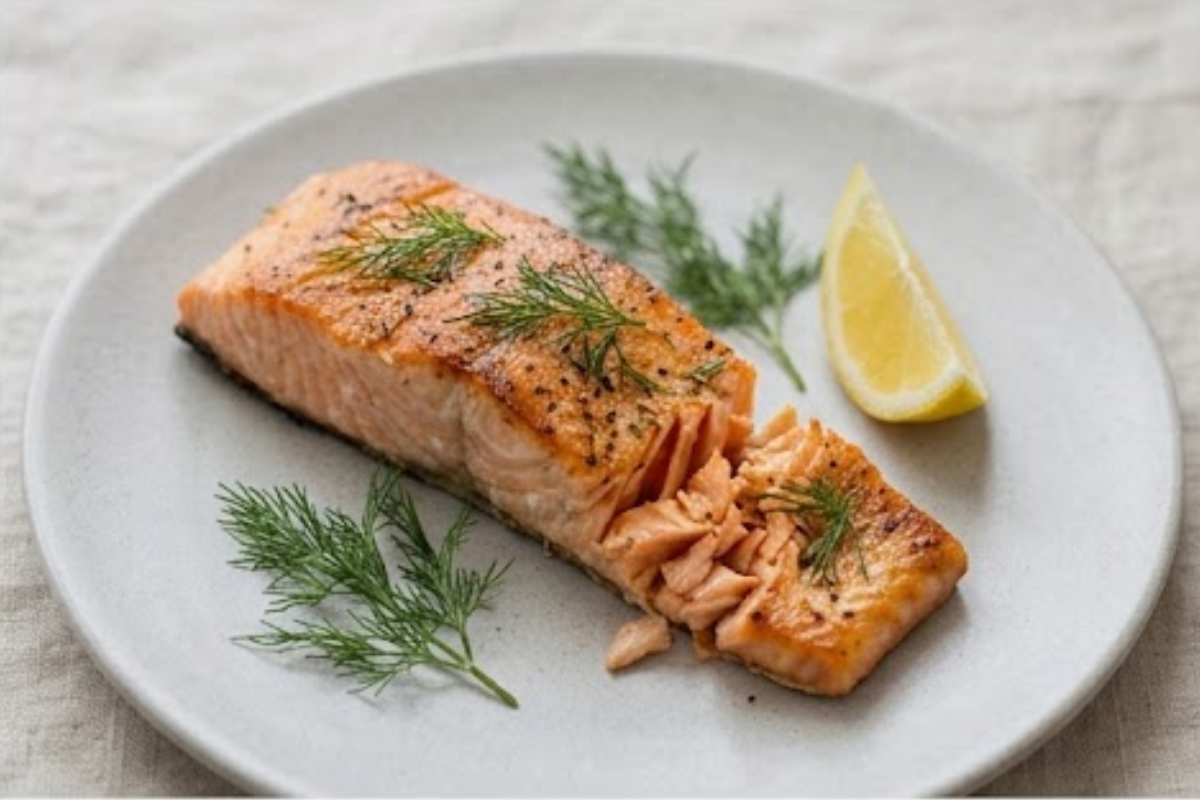
3. Fatty Fish
Salmon, sardines, trout, and mackerel provide omega-3 fatty acids. Regularly eating fish can fit into a heart-conscious eating pattern, particularly when fish replaces foods higher in saturated fat.
A simple dinner could involve baked salmon with roasted vegetables and brown rice. Canned salmon or sardines can also make an easy addition to salads or whole-grain toast.
4. Walnuts and Other Nuts
A small handful of nuts can make a convenient snack without much preparation. Walnuts provide unsaturated fats along with fiber and plant compounds.
Almonds, pistachios, pecans, and peanuts can also fit into a balanced diet. Since nuts pack plenty of calories into a small serving, a handful generally works better than eating directly from a large container.
5. Berries
Strawberries, blueberries, raspberries, and blackberries provide fiber and naturally occurring plant compounds. Fresh berries work well with oatmeal, plain yogurt, or whole-grain cereal.
Frozen berries can be just as convenient for smoothies or breakfast bowls. Look for unsweetened frozen fruit rather than products containing added sugar.
6. Leafy Greens
Spinach, kale, collard greens, and other leafy vegetables can add plenty of nutrients to meals without requiring elaborate preparation.
Toss spinach into eggs, add chopped greens to soup, or build a salad around romaine and other leafy vegetables. Darker greens can also work in sandwiches, wraps, pasta dishes, and grain bowls.
7. Avocados
Avocados provide mostly unsaturated fat along with fiber. Their creamy texture makes them useful when replacing ingredients that contain more saturated fat.
Try mashed avocado on whole-grain toast, diced avocado in a bean salad, or slices alongside eggs. Portion size still matters because avocados contain a relatively large amount of calories.
8. Tomatoes
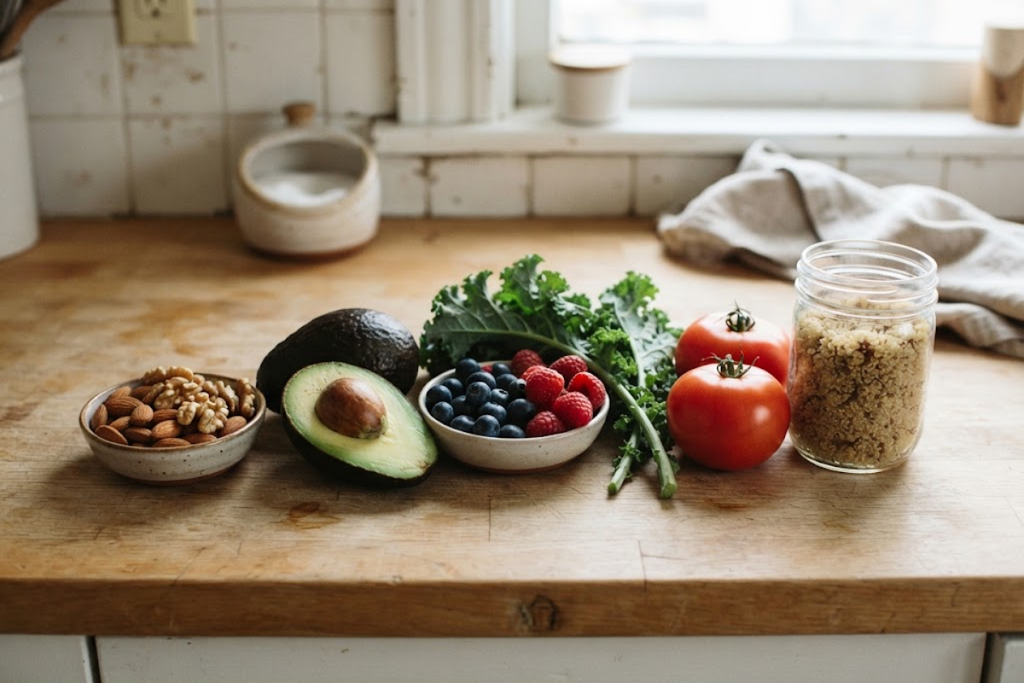
Fresh tomatoes provide potassium, fiber, vitamin C, and carotenoids such as lycopene. They require little preparation and can add flavor to meals without relying heavily on salty sauces.
Use tomatoes in sandwiches, salads, omelets, pasta dishes, or homemade salsa. Canned tomatoes can also work well in soups and sauces; check labels when choosing products with less added sodium.
9. Olive Oil
Replacing butter or other sources of saturated fat with olive oil can provide more unsaturated fat. A small amount works for sautéing vegetables, making salad dressing, or finishing cooked dishes.
Extra-virgin olive oil also works well with simple combinations such as tomatoes, beans, greens, and whole grains. A useful overview of its nutrition and uses can be found in this olive oil guide.
10. Whole Grains
Brown rice, barley, whole-wheat bread, quinoa, and whole-grain pasta provide more fiber than their refined counterparts. Fiber can help make meals more filling while supporting a balanced eating pattern.
A simple switch can make a difference: use brown rice instead of white rice, choose whole-grain bread for sandwiches, or add barley to soup.
Making Heart-Friendly Eating Easier
You do not need to overhaul every meal at once. Start with familiar foods and make small swaps. Add berries to breakfast, beans to lunch, vegetables to dinner, or a small serving of nuts as a snack. Replacing some highly processed foods and foods high in saturated fat with fiber-rich plants, whole grains, fish, and unsaturated fats can make everyday meals more heart-conscious without making them complicated.