Dark chocolate has earned a reputation as one of the healthier indulgences available. From claims about heart health to promises of improved brain function, it is often promoted as a snack that offers more than just a sweet treat. But does dark chocolate truly deserve its healthy image, or is the reality more nuanced?
The answer lies somewhere in the middle. Dark chocolate can provide beneficial nutrients and plant compounds, but it is still a calorie-dense food that should be enjoyed in moderation. Understanding what makes dark chocolate different from other chocolates can help you make informed choices.
What makes dark chocolate different?
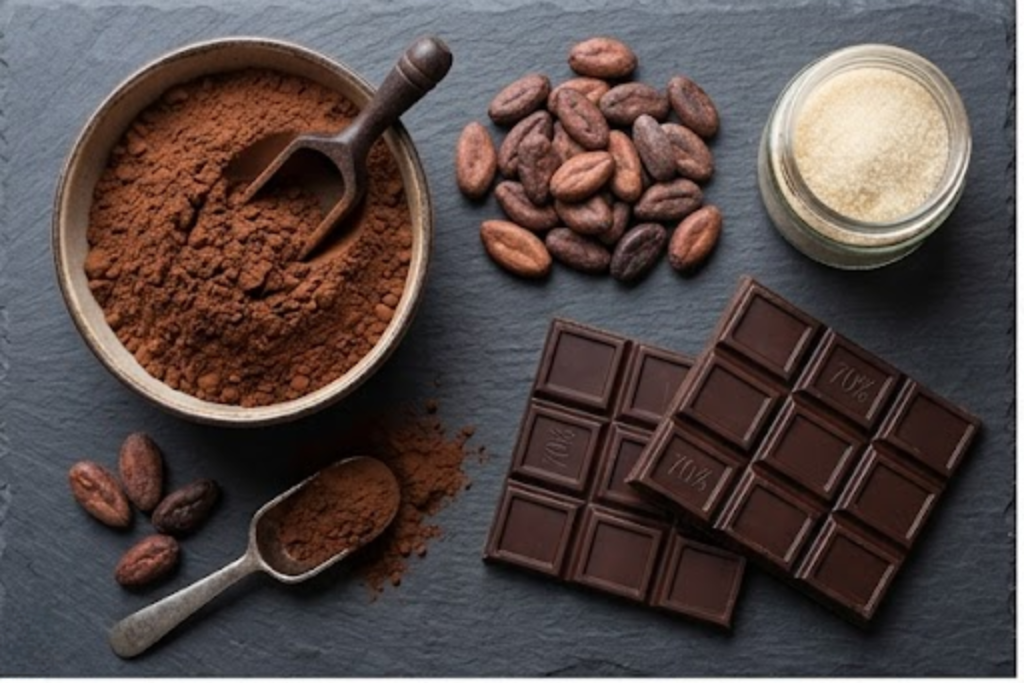
Dark chocolate contains a higher percentage of cocoa solids than milk chocolate. Cocoa solids are rich in naturally occurring compounds called flavonoids, particularly flavanols, which have been widely studied for their potential health benefits.
A typical dark chocolate bar contains:
- Cocoa solids
- Cocoa butter
- Sugar
- Sometimes vanilla or emulsifiers
The cocoa percentage often ranges from 50% to over 90%. Generally, chocolates with a higher cocoa content contain more flavonoids and less sugar than lower-percentage varieties.
Potential health benefits of dark chocolate
Rich in antioxidants
One of dark chocolate’s biggest nutritional advantages is its antioxidant content. Antioxidants help protect cells from damage caused by free radicals, which are unstable molecules produced during normal metabolism and environmental exposure.
The flavonoids found in cocoa are among the most researched antioxidants in nutrition. While antioxidants are found in many fruits and vegetables, cocoa also contributes meaningful amounts when consumed as part of a balanced diet.
May support heart health
Several studies suggest that moderate consumption of dark chocolate may support cardiovascular health. Cocoa flavanols have been associated with improved blood vessel function by helping blood vessels relax and promoting healthy blood flow.
Some research also indicates that regular, moderate intake may have small positive effects on blood pressure and cholesterol levels. However, these benefits are generally modest and should not replace established heart-healthy habits such as regular exercise, a nutritious diet, and avoiding tobacco.
Contains beneficial minerals
Dark chocolate provides several important minerals that support overall health, including:
- Magnesium, which supports muscle and nerve function
- Iron, important for oxygen transport in the blood
- Copper, which contributes to energy production
- Manganese, involved in bone health and metabolism
- Zinc, which supports immune function
The exact mineral content varies depending on the cocoa percentage and serving size.
May support brain function
Researchers have also explored whether cocoa flavanols may benefit cognitive performance. Some evidence suggests they may improve blood flow to the brain, which could temporarily support attention, memory, or mental performance in certain situations.
While these findings are promising, more research is needed before dark chocolate can be considered a reliable strategy for improving brain health.
Can be satisfying in small portions
Dark chocolate often has a richer, more intense flavour than milk chocolate. Many people find that a small piece satisfies cravings, making portion control easier. This can help reduce the desire for larger servings of sweeter desserts.
Is dark chocolate actually healthy?
Despite its nutritional advantages, dark chocolate is still a treat rather than a health food.
Most varieties remain high in:
- Calories
- Fat
- Added sugar
Eating large amounts can contribute to excess calorie intake, which may outweigh any potential health benefits.
For example, a typical serving of dark chocolate is around 20–30 grams. This amount can provide beneficial cocoa compounds without adding excessive calories. Consuming an entire chocolate bar regularly is a very different situation.
Choosing a healthier dark chocolate
Not all dark chocolates are created equal. When shopping, consider the following:
- Choose products with at least 70% cocoa if you prefer a higher flavonoid content.
- Look for shorter ingredient lists with fewer additives.
- Compare sugar content between brands.
- Avoid assuming “dark” automatically means healthy, as some products still contain significant amounts of added sugar.
Reading the nutrition label can help you identify options that better align with your dietary goals.
Who should be cautious?
Although dark chocolate can fit into many eating patterns, it may not be suitable for everyone.
Some people may wish to limit intake if they are:
- Managing calorie intake for weight loss.
- Sensitive to caffeine or theobromine, which naturally occur in cocoa.
- Prone to migraines that are triggered by chocolate.
- Following medical advice to reduce sugar or saturated fat consumption.
People with food allergies should also check ingredient labels carefully, as chocolate products may contain milk, nuts, soy, or other allergens.

The bottom line
Dark chocolate offers more nutritional value than many other sweet snacks thanks to its cocoa-derived flavonoids, antioxidants, and essential minerals. Research suggests it may support heart health, provide antioxidants, and contribute small amounts of important nutrients when enjoyed in moderation.
However, it is not a miracle food. Dark chocolate still contains calories, fat, and sugar, making portion size an important consideration. Rather than viewing it as a health supplement, think of it as a satisfying treat that can fit into an overall balanced diet.
Choosing high-quality dark chocolate with a higher cocoa percentage and enjoying a modest serving occasionally allows you to appreciate both its flavour and its potential nutritional benefits.
Disclaimer: This article is provided for informative purposes only and should not be considered medical, nutritional, or professional health advice. Always consult a qualified healthcare professional or registered dietitian regarding dietary choices, especially if you have underlying health conditions or specific nutritional needs.
Leave a Reply