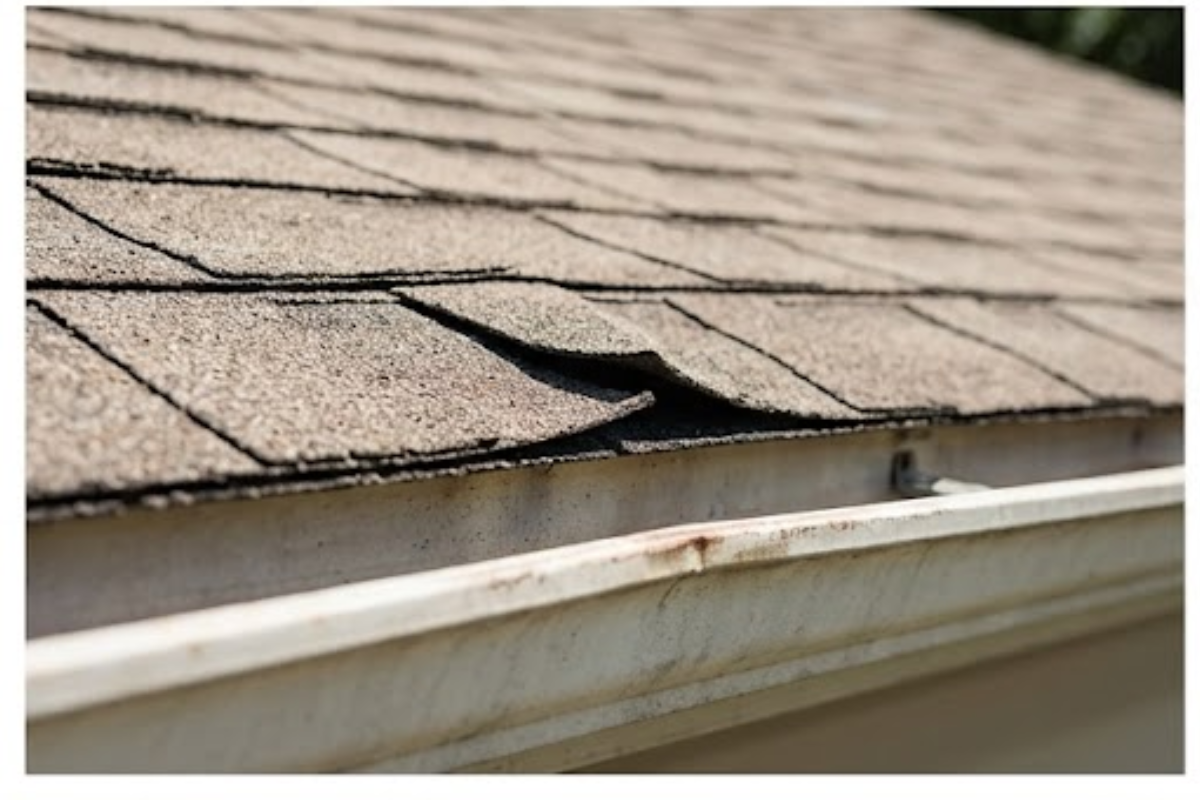
Home repairs rarely become expensive overnight. More often, a small drip, loose seal, clogged filter, or tiny crack gets ignored until the damage spreads. A few minutes of maintenance can sometimes keep a minor issue from turning into a weekend project or a much larger repair bill.
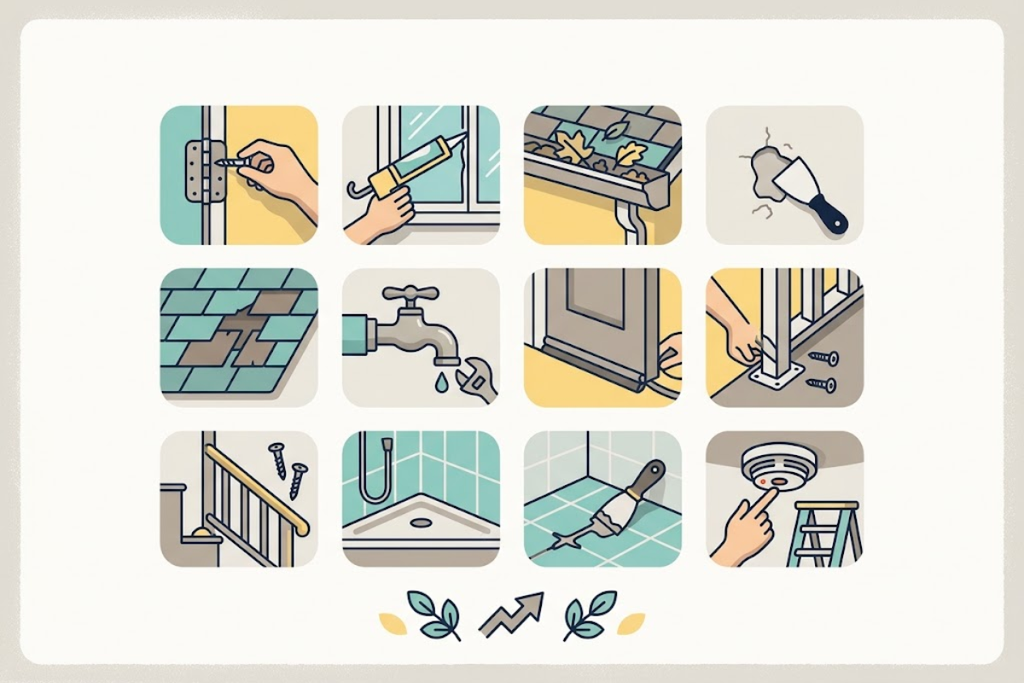
Here are 10 small home fixes worth tackling before they become bigger headaches.
1. Replace cracked or peeling caulk
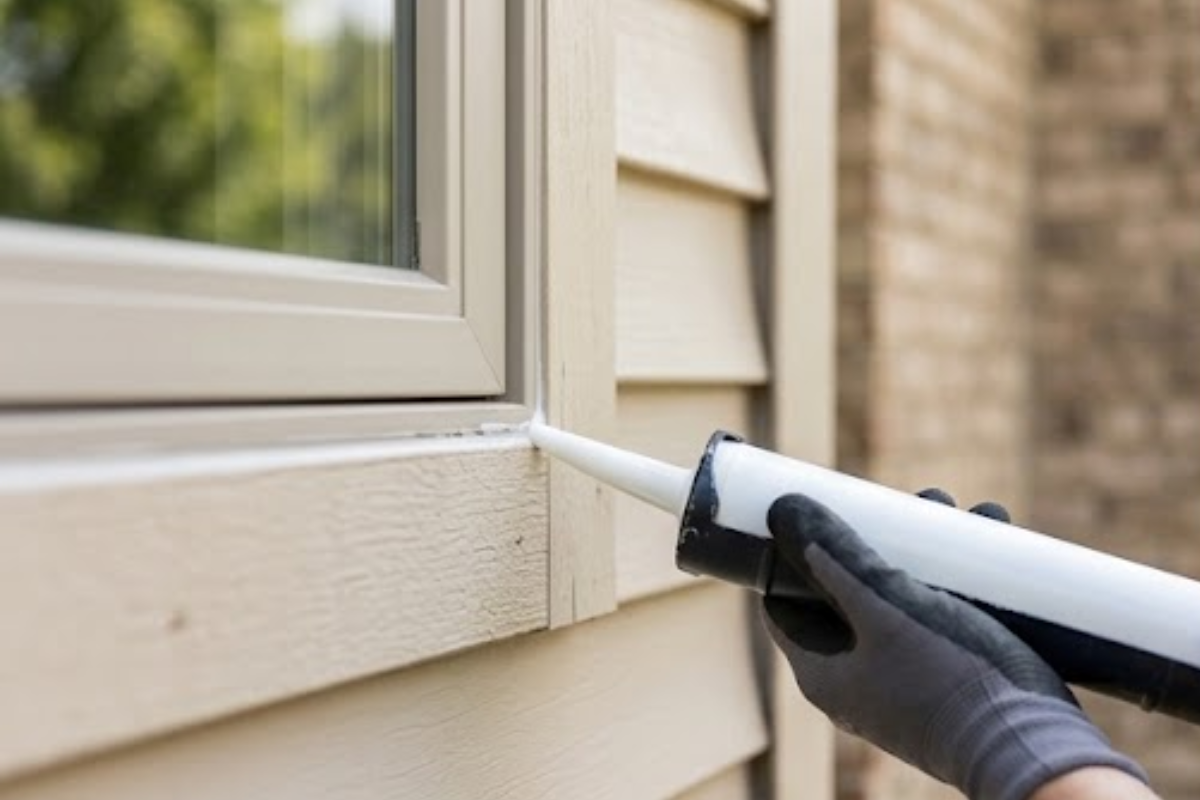
Check the caulk around bathtubs, showers, sinks, countertops, and windows. When it cracks, shrinks, or pulls away from the surface, water can work its way behind walls, cabinets, or trim.
Remove damaged caulk, clean and dry the area, then apply fresh caulk suited to the surface. Around tubs and showers, use a waterproof product designed for bathrooms.
2. Fix a dripping faucet
A faucet that drips every few seconds may seem harmless, but it wastes water and can point to a worn washer, cartridge, or seal. The repair often involves replacing a small internal component rather than the entire faucet.
If the faucet continues leaking after a basic repair, check underneath the sink for moisture. A slow leak around a supply line or valve can damage the cabinet floor before you notice it.
3. Clean the HVAC filter
A dirty HVAC filter restricts airflow and makes the system work harder. It can also allow more dust to circulate through the house.
Check the filter regularly and replace it according to the manufacturer’s recommendations. Homes with pets, frequent dust, or higher HVAC use may need more frequent changes.
4. Clear gutters and downspouts
Leaves and debris can block gutters, causing rainwater to spill over the sides instead of moving through the downspouts. Water can then collect near the foundation or run down exterior walls.
Clean gutters periodically and check that downspouts send water away from the house. If you notice a small crack or leaking joint, repair it before the next heavy rain.
5. Replace worn weatherstripping
Look around exterior doors and windows for gaps, cracked weatherstripping, or sections that no longer make proper contact.
Replacing worn strips takes little time and can reduce drafts. It also keeps rain and outdoor air from finding their way through small gaps around openings.
6. Tighten loose cabinet and door hardware
Loose hinges, handles, knobs, and screws can gradually damage the surrounding material. A loose door hinge, for example, can put extra strain on the remaining screws and cause the door to sag.
Grab a screwdriver and tighten loose hardware when you notice it. For stripped screw holes in wood, a simple repair may prevent the need to replace the hardware or damaged section later.
7. Clean sink and shower drains before they clog
Slow drainage usually gives you plenty of warning. Hair, soap residue, grease, and other debris can build up inside pipes long before water stops flowing.
Clean sink stoppers and shower drains regularly. In the kitchen, avoid sending grease and large food particles down the drain. A slow drain deserves attention before it becomes a backed-up sink.
8. Check under sinks for small leaks
Open the cabinet beneath your kitchen and bathroom sinks every few weeks and look for damp spots, water stains, or corrosion around connections.
Run the faucet while watching the pipes underneath. Catching a loose connection early can mean tightening a fitting or replacing a small seal instead of dealing with swollen cabinetry or damaged flooring.
9. Patch small exterior cracks and gaps
Walk around the outside of your home and look around siding, trim, doors, windows, and other openings. Small gaps can allow moisture and insects inside.
The right exterior sealant can close many minor openings. Larger foundation cracks, rapidly growing cracks, or areas with obvious movement deserve professional evaluation rather than a quick cosmetic patch.
10. Replace damaged washing-machine hoses
A washing-machine hose can sit unnoticed for years, even though it handles water under pressure every time the machine runs. Inspect the hoses for bulges, cracks, rust around connections, or other signs of wear.
Replacing a questionable hose costs far less than dealing with a sudden laundry-room flood. Home repair
Small fixes are easier to handle early
Most homeowners don’t need a long weekend to work through these jobs. A quick walk around the house, a screwdriver, some caulk, replacement filters, and a little attention to leaks can catch many problems while they’re still manageable.
The trick comes down to noticing changes: a faucet that suddenly drips, a drain that slows down, caulk that starts pulling away, or a gutter that spills during rain. Those little signals are much easier to deal with before they turn into visible damage.
For more practical repair ideas, this home maintenance guide from Bob Vila covers a range of quick fixes homeowners can tackle around the house.