Common signs of roof damage include missing or curled shingles, excess granules, ceiling stains, damaged flashing, sagging areas, and damp attic materials. Spotting these warnings early can help prevent moisture from causing more expensive structural repairs.
The good news? Many early warning signs can be spotted during a basic inspection from the ground or around the attic. Here are some things worth checking.
1. Check Shingles for Signs of Roof Damage
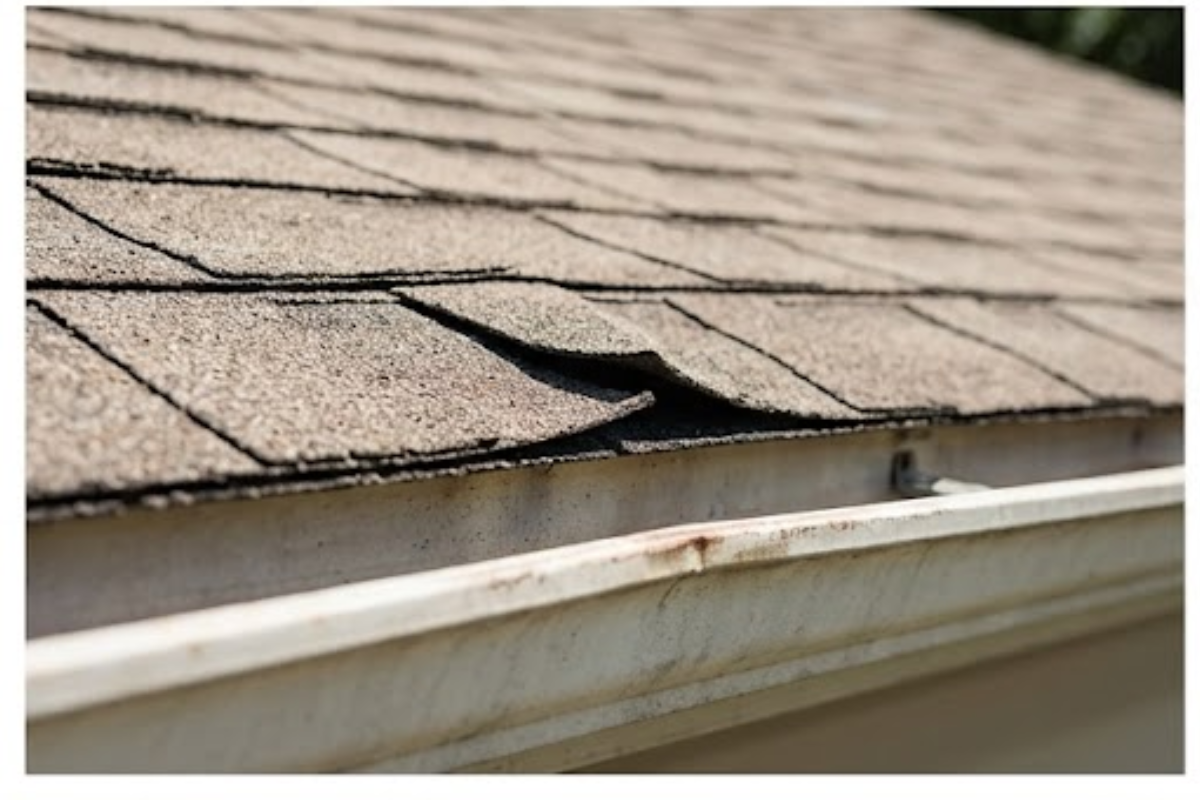
After strong winds or heavy rain, take a look at your roof from the ground. Missing shingles can leave sections exposed to rain and sunlight. You may also notice shingles that curl at the edges, crack down the middle, or appear loose.
A few damaged shingles do not necessarily mean you need an entirely new roof. In many cases, replacing the affected areas early can prevent moisture from reaching the roof deck underneath.
Avoid climbing onto the roof unless you have the proper equipment and experience. A pair of binoculars can help you inspect higher sections safely from the ground. Review OSHA ladder-safety guidance before using a ladder, and hire a qualified professional when access is unsafe.
2. Check for Granules Around the House
Those tiny, sand-like particles on asphalt shingles help protect them from weather and sunlight. As shingles age or become damaged, they can lose granules.
Check your gutters and downspouts for an unusual buildup of these particles. A small amount can occur naturally over time, particularly with older roofing, but a noticeable increase may point to shingle deterioration.
You can also look around the ground near downspouts after rainfall. If the runoff carries a lot of dark or gritty material, the roof may deserve a closer inspection.
3. Look for Interior Signs of Roof Damage
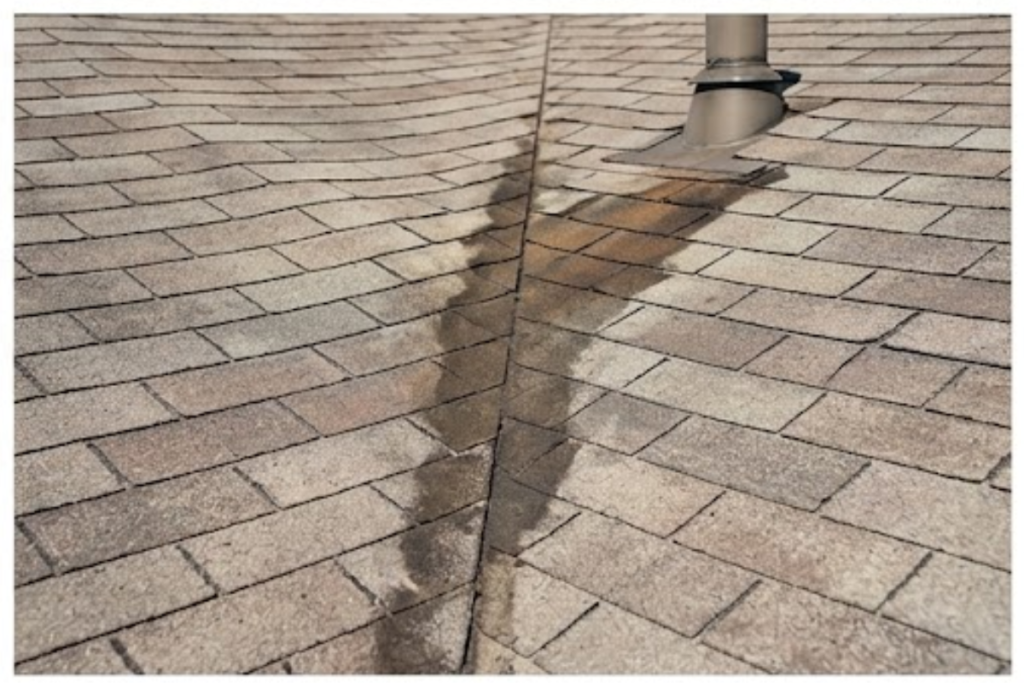
Brown, yellow, or discolored patches on ceilings and walls can point to a roof leak. The stain may appear far away from the actual entry point because water can travel along rafters, insulation, and other surfaces before reaching the ceiling.
Do not assume a small stain can wait until later. Moisture behind the ceiling can damage insulation, wood, and drywall. It can also create conditions where mold develops.
If you notice a new stain, check the attic if it can be accessed safely, particularly after rain. Look for damp insulation, wet wood, or visible water trails.
4. Inspect the Attic for Daylight
A quick attic inspection can reveal problems that are difficult to spot from outside. During daylight hours, turn off the attic lights and look for small areas where sunlight comes through the roof.
Tiny pinpoints of light around vents or other intended openings may not indicate a problem, but light coming through areas that should be sealed could point to damaged roofing materials or gaps.
Also check for damp spots, musty smells, darkened wood, or insulation that feels wet. If odor is also affecting storage areas, see how to address musty closet smells. These signs can indicate that water has already entered the roof system.
5. Examine Flashing Around Roof Openings
Flashing protects vulnerable areas around chimneys, skylights, vents, and roof joints. When flashing cracks, loosens, or separates, water can find its way underneath the roofing materials.
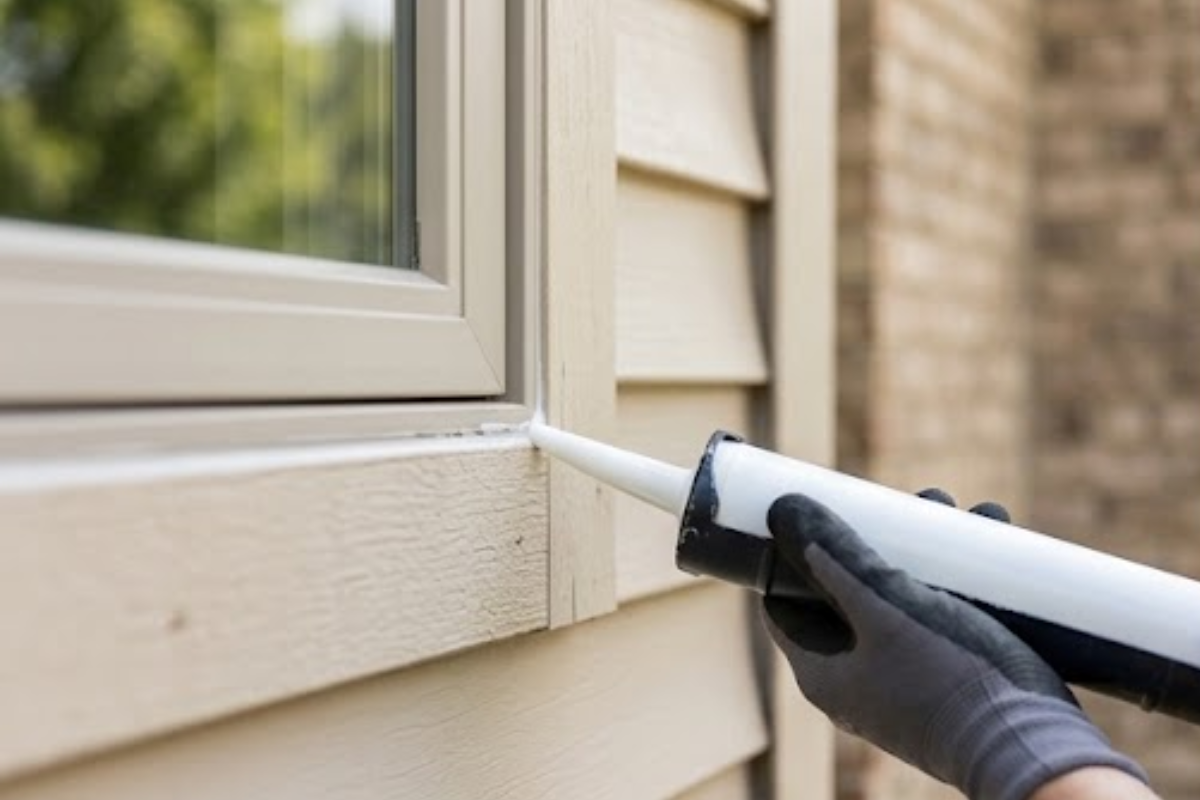
Look for obvious gaps, rust, lifted sections, or cracked sealant. Pay particular attention to areas where two different surfaces meet.
Because flashing problems can be difficult to repair correctly, a professional inspection may make sense if you notice visible damage. When prioritizing broader projects, compare home improvements that may increase resale value.
6. Keep an Eye on Gutters and Downspouts
Gutters do more than carry rainwater away from the roof. They also give you clues about its condition.
Sagging gutters, standing water, frequent clogs, or water spilling over the sides can indicate drainage problems. More importantly, large amounts of shingle granules in the gutters may point to deteriorating roofing materials.
Make sure downspouts direct water away from the home’s foundation. Poor drainage can create problems beyond the roof itself.
7. Look for Sagging Areas
A roofline should generally appear straight and consistent. If you notice a section that looks dipped, sagging, or uneven, do not ignore it.
Sagging can result from prolonged moisture exposure, damaged structural materials, excessive weight, or other issues. Unlike a missing shingle, it may indicate a problem beneath the visible roofing layer.
This type of damage warrants a professional assessment rather than a simple cosmetic repair.
8. Check for Roof Damage After Major Weather
Heavy rain, hail, strong winds, and falling branches can cause damage that is not immediately obvious. Outdoor cameras included in some smart home security systems may provide a useful record of storm conditions around the property. After a major storm, check the yard for roofing debris and inspect the roof visually when conditions are safe.
Look for missing shingles, exposed underlayment, damaged flashing, dents, or fallen branches. Catching these problems early can prevent a small weather-related repair from becoming a larger water-damage issue.
Regular visual checks do not replace a professional roof inspection, but they can help you identify signs of roof damage sooner. A few minutes spent checking shingles, gutters, ceilings, and the attic after bad weather can make it much easier to deal with roof problems while they remain manageable.