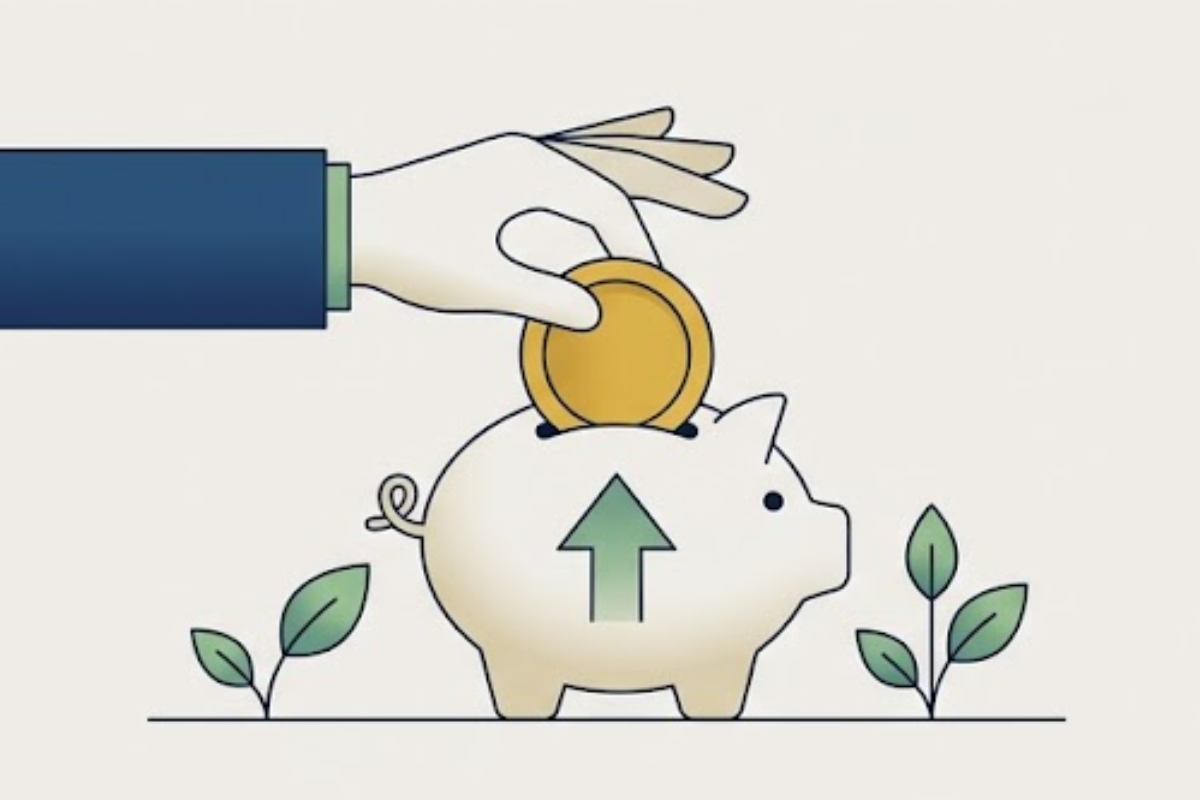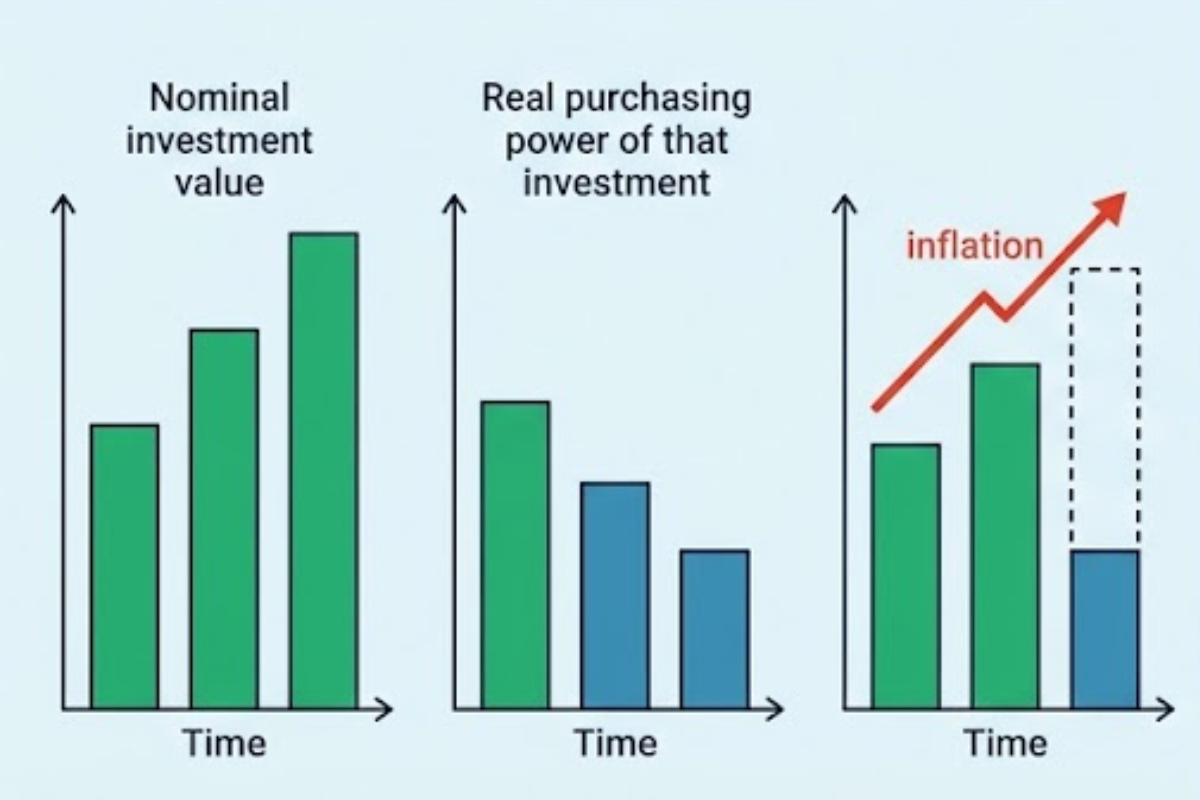
Building wealth rarely comes from chasing the next hot stock or trying to predict every market move. More often, it comes from a handful of habits repeated consistently over many years. Markets rise and fall, trends come and go, but disciplined investors often rely on routines rather than short-term excitement.
Here are investing habits that have rewarded many long-term investors.
1. Investing on a Regular Schedule
Trying to buy at the perfect moment sounds appealing, but timing the market consistently proves difficult. Many investors instead choose to invest a fixed amount every month, regardless of whether prices move up or down.
This approach, often called dollar-cost averaging, naturally buys more shares when prices fall and fewer when prices rise. Over time, it can reduce the impact of market swings and remove much of the emotion from investing.
Regular investing also turns saving into a habit rather than an occasional decision.
2. Starting Earlier Than Feels Necessary
Time often matters more than the size of the initial investment.
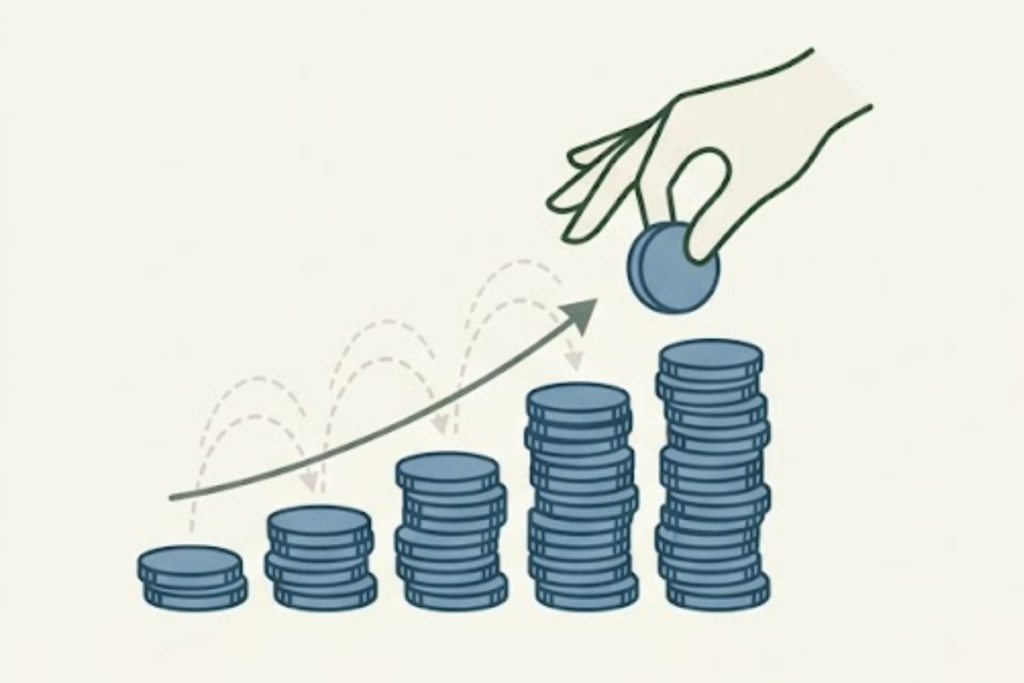
Someone who starts investing in their twenties with modest monthly contributions may finish with a larger portfolio than someone who begins much later while investing larger amounts. The difference comes from compound growth, where returns begin earning returns of their own.
Waiting for the “right time” frequently costs more than starting with a manageable amount today.
3. Keeping Investment Costs Low
Fees may appear small on paper, yet they quietly reduce returns year after year.
Low-cost index funds and exchange-traded funds (ETFs) have become popular because they typically charge much lower fees than actively managed funds. Even a small percentage difference in annual expenses can translate into thousands of dollars over several decades.
Paying attention to management fees, trading costs, and account charges leaves more money working inside the portfolio.
4. Staying Invested During Market Declines
Market downturns often create anxiety, prompting many investors to sell after prices have already dropped.
History has shown that recoveries can arrive unexpectedly. Missing only a handful of the market’s strongest days may have a noticeable impact on long-term returns.
Investors with a long time horizon often view temporary declines as part of the investing journey rather than a reason to abandon their plan.
5. Diversifying Across Different Investments
Putting every dollar into one company or one industry creates unnecessary risk.
Diversification spreads investments across different sectors, regions, and asset classes. If one area struggles, another may perform better, helping smooth overall portfolio performance.
Many diversified funds make this process simple by holding hundreds or even thousands of securities in a single investment.
6. Increasing Contributions When Income Grows
Salary increases often bring opportunities to save more.
Instead of spending every extra dollar, many investors automatically raise retirement or investment contributions after receiving a pay raise. Even small increases each year can produce meaningful differences over decades.
This habit allows investments to grow alongside earnings without requiring major lifestyle changes.
7. Reinvesting Dividends
Dividend-paying investments provide cash distributions that investors may spend or reinvest.
Choosing automatic dividend reinvestment purchases additional shares instead of taking cash. Those new shares may generate future dividends as well, creating another layer of compounding.
The effect may appear modest during the first few years but becomes more noticeable over longer periods.
8. Reviewing Instead of Constantly Reacting
Checking investment accounts every day often leads to unnecessary stress.
Long-term investors commonly schedule periodic reviews, perhaps every few months or once each year. During those reviews, they may rebalance allocations, confirm that investments still match their goals, and adjust contributions if circumstances have changed.
Avoiding frequent reactions helps reduce emotional decisions driven by headlines or temporary market movements.
9. Keeping an Emergency Fund Separate
Unexpected expenses happen to almost everyone.
Having emergency savings outside an investment portfolio reduces the chance of selling investments during an unfavorable market period. Whether facing medical bills, home repairs, or temporary job loss, accessible cash can provide flexibility while allowing long-term investments to remain untouched.
Many financial planners recommend treating emergency savings and investment accounts as separate purposes.
10. Continuing to Learn Without Constantly Changing Strategy
Financial news appears every day, often accompanied by bold predictions and dramatic headlines.
Successful investors usually spend more time understanding basic investing principles than chasing every new trend. Reading books, learning about taxes, studying asset allocation, and understanding personal risk tolerance often prove more useful than constantly switching investments.
Knowledge supports better decisions, but consistency usually matters more than frequent adjustments.
Small Habits Can Produce Big Results
Long-term investing rarely depends on finding the next market winner. Instead, steady contributions, patience, diversification, reasonable costs, and disciplined decision-making often shape stronger outcomes over time.
No habit produces instant wealth, and every investment carries risk. Even so, repeating sensible investing behaviors year after year can gradually build momentum. The process may seem slow at first, but persistence often proves more rewarding than constantly searching for shortcuts.