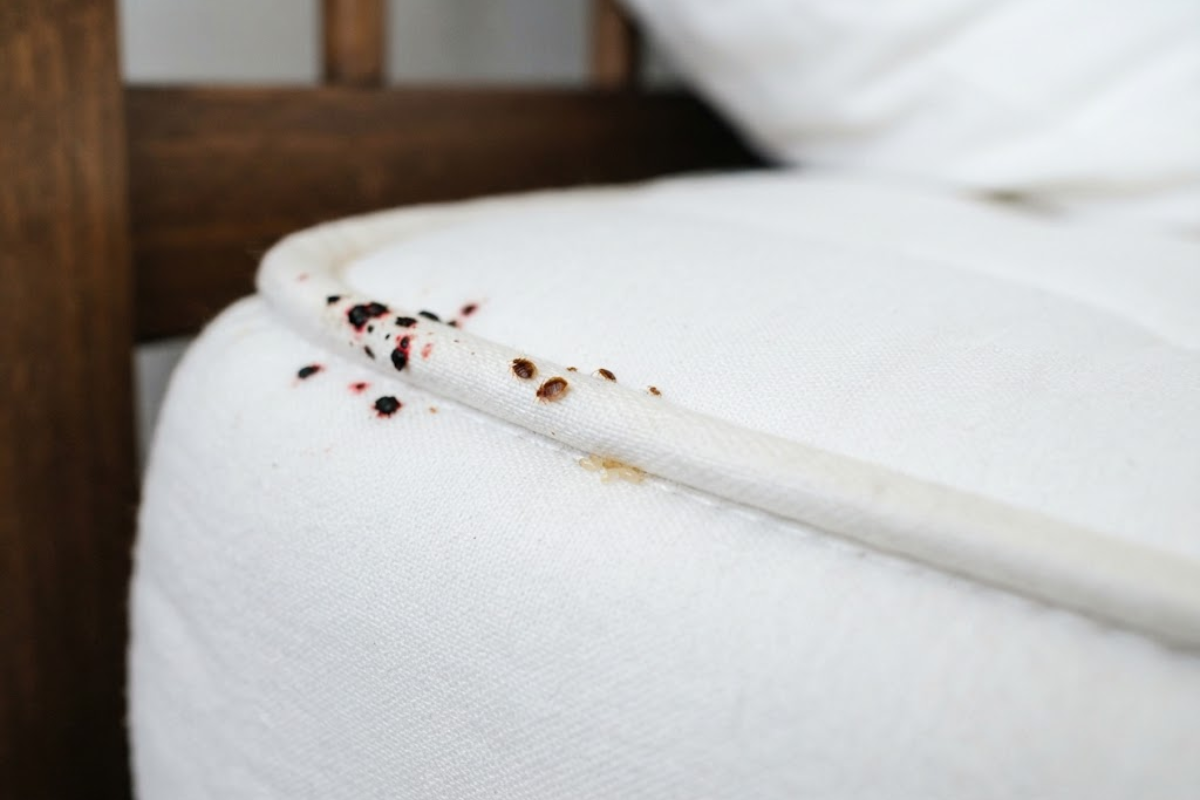
Bed bugs can hide surprisingly well, especially during the early stages of an infestation. You may notice a few unexplained bites one week, a tiny stain on your sheets the next, and still have no idea what caused them. Looking for several signs together can make it easier to spot a problem before it spreads to other parts of the home.
Here are some early clues worth checking.
1. Small Red or Itchy Bites After Sleeping
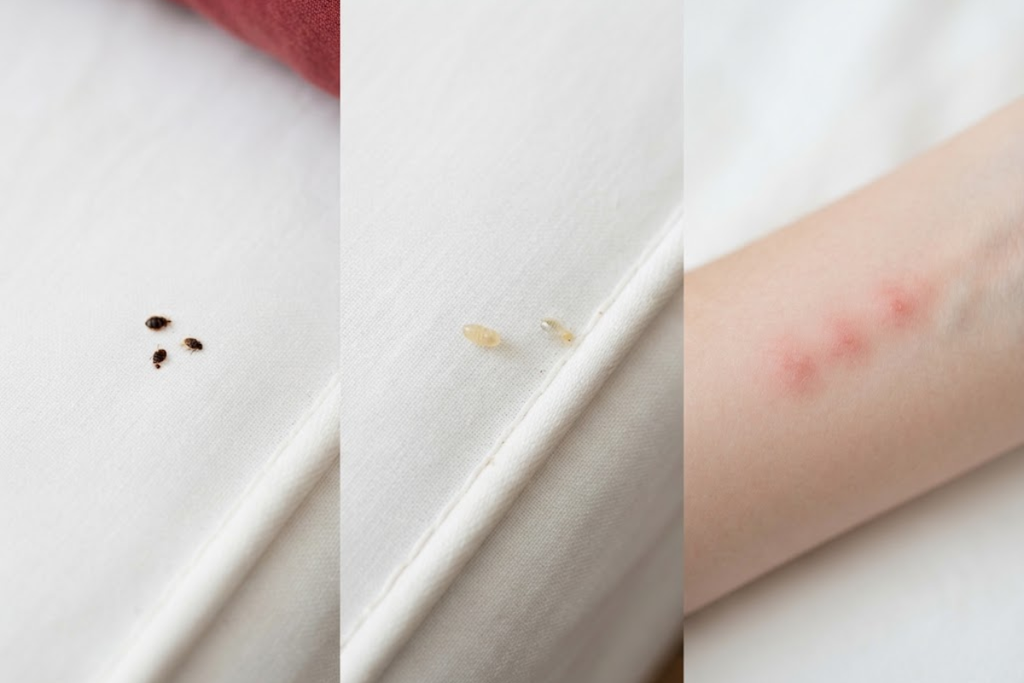
One of the first things people notice comes from their skin. Bed bug bites often appear as small, itchy, inflamed spots on areas such as the arms, hands, neck, face and other exposed skin. They can sometimes appear in clusters or rough lines.
The tricky part: bites alone don’t confirm bed bugs. Mosquitoes, fleas and other insects can cause similar marks, and some people don’t develop an obvious reaction to bed bug bites at all. The EPA specifically notes that bite marks aren’t a reliable way to identify an infestation.
So if you wake up with new bites repeatedly, check the bed rather than relying only on your skin.
2. Tiny Dark Spots Along Mattress Seams
Small dark or blackish specks around mattress seams can provide a more useful clue. Bed bug droppings often appear around places where the insects hide, including mattress piping, seams and folds.
Run a flashlight slowly along the edges of the mattress, particularly around the corners and underneath the fabric lip. Check the box spring and the area around the headboard, too.
A few isolated marks don’t automatically mean bed bugs, but repeated dark spotting in hiding areas deserves a closer inspection.
3. Rusty or Reddish Marks on Your Sheets
Have you noticed tiny rusty-colored or reddish stains on the bedding? They can occur when a bed bug gets crushed after feeding.
Check the bottom sheet, pillowcases and areas close to the mattress edges. These marks can be easy to overlook because they may look like ordinary stains.
Finding them alongside dark specks, shed skins or other signs makes bed bugs more plausible.
4. Pale Shed Skins Around the Bed
Bed bugs don’t simply grow from tiny insects into adults. They pass through several immature stages and shed their outer skins as they develop. Those discarded skins can remain behind in their hiding places.
Look for small, pale or yellowish shell-like pieces around mattress seams, box springs, bed frames and nearby furniture.
A shed skin can be particularly useful because it points to insects developing somewhere nearby rather than simply passing through the room.
5. Tiny White Eggs or Egg Casings
Bed bug eggs can be difficult to notice because they’re extremely small. The EPA describes them as roughly pinhead-sized, pearl-white and attached to surfaces.
Inspect cracks and crevices around the mattress, headboard and bed frame. Eggs may occur alongside dark droppings and shed skins.
If you find something that appears to be eggs, avoid immediately assuming they’re from bed bugs. Correct identification matters because several household insects can look similar at different stages.
6. Actually Seeing a Small Brown Bug
Finding a live insect provides much stronger evidence than unexplained bites.
Adult bed bugs typically have a flat, oval, brownish body and measure around 5–7 millimeters, roughly comparable to an apple seed. Recently fed bugs can appear more reddish and elongated. Young nymphs tend to look much smaller and lighter.
Bed bugs don’t fly or jump. They move by crawling, which makes cracks, seams and furniture joints common places to inspect.
7. A Musty or Sweet Odor Near the Bed
A noticeable musty or slightly sweet odor can occur with heavier infestations. The EPA lists an offensive, sweet, musty smell among possible signs when infestations become severe.
This isn’t usually the first clue people notice, and a strange smell by itself doesn’t establish that bed bugs have moved in. But if an unusual odor appears alongside physical evidence, it’s worth investigating.
8. Signs Around Furniture, Not Just the Mattress
Bed bugs don’t necessarily stay inside the mattress. They can hide in box springs, bed frames, headboards, furniture, baseboards, cracks and other protected spaces close to where people sleep.
If you’ve already checked the mattress and found nothing, inspect the surrounding area. Pull the bed slightly away from the wall and examine the headboard, frame joints and nearby furniture with a flashlight.
Used furniture can also introduce bed bugs into a home, so secondhand beds, couches and other upholstered pieces deserve a careful inspection before coming indoors.
What to Do If You Find Several Signs
Don’t rely on bites alone. Look for physical evidence such as live bugs, dark droppings, shed skins, eggs or reddish stains. The EPA recommends having suspected bed bugs properly identified because other insects can look similar.
If you find a bug, capturing it in a clear container or clear tape can make identification easier. Avoid immediately throwing away mattresses or furniture. Bed bugs can hide in many places, so removing one piece of furniture doesn’t necessarily solve the problem.
The earlier you notice several matching signs, the easier it can be to investigate where the insects are hiding and determine what needs attention next.